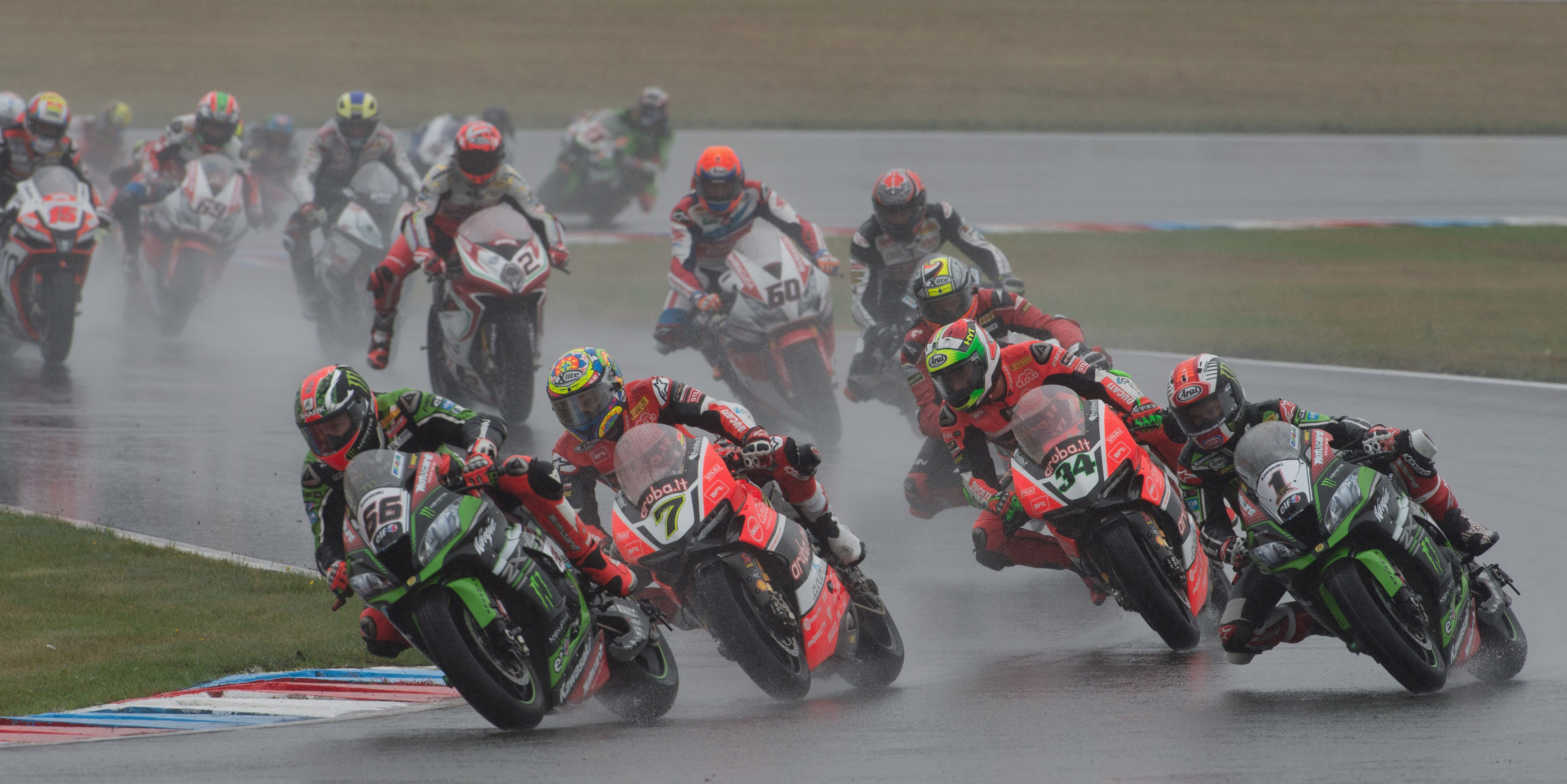

This week, the Superbike Commission announced their plans for a radical new reversed grid format for the second race of each WorldSBK round in a bid to spice up to the action. WorldSBK aren’t afraid to make major changes to their race weekends; 2016 saw race two take place on Sunday for the first time.
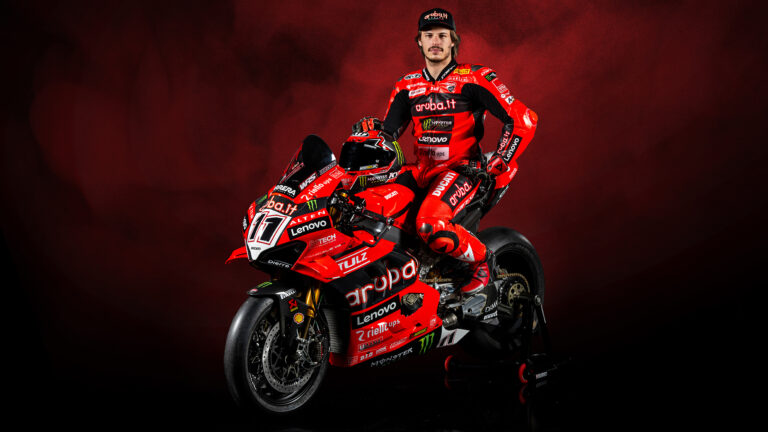
But is this latest proposal a bridge too far? Opinion on the matter has been pretty split. Some of the series’ riders such as Aruba.it Ducati’s Chaz Davies and Honda’s Nicky Hayden have expressed their support, whilst other paddock personnel and outsiders have voiced their discontent with the idea.
Twitter: So much negativity around the new rules. Rules that will MAKE WSBK GREAT AGAIN
! Personally,… https://t.co/geYTjmp1aN (@chazdavies)
For those who don’t know, the top nine from the first race will start from different positions for the second outing. The podium finishers will drop to the third row, with the victor and third-placed rider switching around. Those who finished race one fourth, fifth and sixth will form the front row whilst the trip who completed the top nine step up to the second row. 10th and lower in race one will start race two from their qualifying position.
It is hoped that by dropping the top three, which has tended to have been the same three riders for the past two seasons, further down the pack and promoting other riders higher up will make race two more unpredictable.
Twitter: Can’t get your head around the new Race 2 Grid for 2017?
Take a look at this
https://t.co/vEiiYRMS4K https://t.co/1FKa1MXRuV (@WorldSBK)


Unpredictability is certainly a noble enough reasoning for this change; after all, motorsport is an entertainment. However, is reversing grids at world championship level a little too gimmicky?
World championship competition is supposed to be the pinnacle of a respective sporting discipline. It’s supposed to be the best of the best fighting for the ultimate prize. So why should the guys taking to the podium be penalised for being successful? Similarly, why should the rider who qualified on pole take a hit because they were the fastest on that day?
I have three concerns with reversed grids. One of them is this; will we see riders deliberately back off in race one in order to start further up than their rival in race two and try to inflict major damage to them in the standings? It may be strategic, but it would also be hugely boring and a massive slap in the face to paying fans who turned up or tuned in to see balls to the wall racing right to the bitter end. Just look at the backlash Jonathan Rea received in Qatar for halting his assault on Davies on the final lap to allow Tom Sykes through to secure second in the championship.
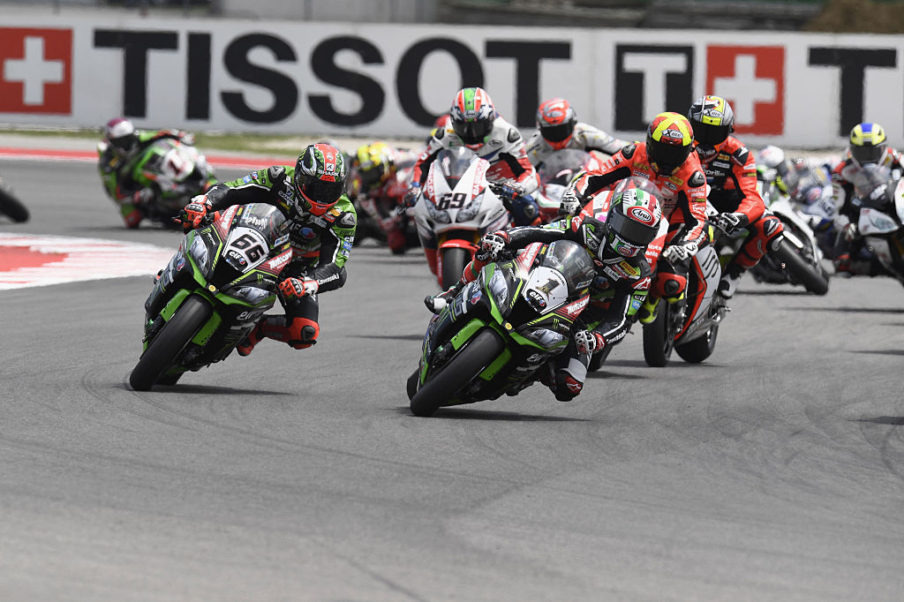
My second concern is the potential championship-deciding consequences a reversed grid could have. The further back in the pack you are, the more likely you are to get tangled up in an incident on the run down to the first corner. It would be safe to assume that the riders finishing top three on a regular basis likely aren’t qualifying outside of the top five, so with a reversed grid they’re being dropped into a situation they have avoided beforehand by simply being better.
My third concern is the rule’s complexity. Those who follow Superbikes closely will get the hang of it in no time, but what about the casual fan? For those who have a loose understanding of WorldSBK or will be tuning in for the first time in 2017, this rule has the potential to drive them away for being too clever for its own good. A sport needs to appeal to a casual fan as much as it does to a die-hard, so complicated rules should be avoided as much as possible.
There are, of course, benefits to having a reversed grid too. Crescent Racing boss Paul Denning released a measured statement on the new rule vis social media, looking at both arguments. One point he made was that teams that might not normally get large television exposure during a race will with a reversed grid, which means more coverage for their sponsors and thus more money for that team. More money going to teams makes for a more financially healthier championship, and thus a much more competitive one.
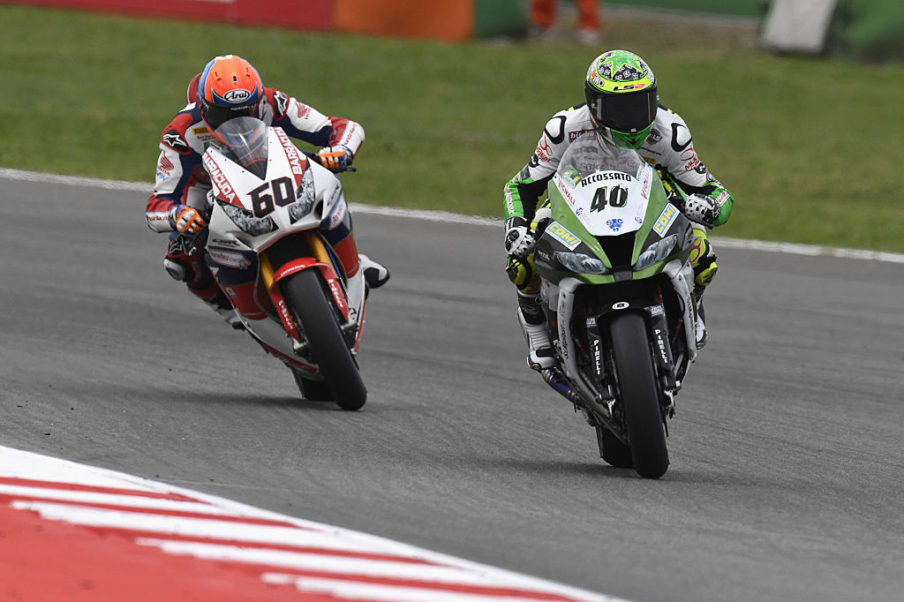
But, it will take a lot more than a flipped grid and a bit more money to make WorldSBK truly exciting again. Much like we’ve seen with MotoGP in recent seasons, WorldSBK needs to change the actual technical regulations in order to reduce the performance gap. One of the big gripes a lot of people have with WorldSBK is its over-reliance on electronics and rider aids. Reducing electronics for gain and giving more control back to the rider will tighten up the field, allowing for the cream to truly rise to the top.
Taking another leaf out of MotoGP’s book, why not introduce technical concessions for new or struggling manufacturers to give them a leg up and get them back on terms with the leading teams? Allowing more testing and a slight relaxing of some technical restrictions are just a couple of things that could be implemented that may help struggling teams, boosting them up the grid and making the series more competitive. In MotoGP, the likes of Suzuki and Ducati have become Grand Prix winners in a relatively short space of time thanks to such concessions.
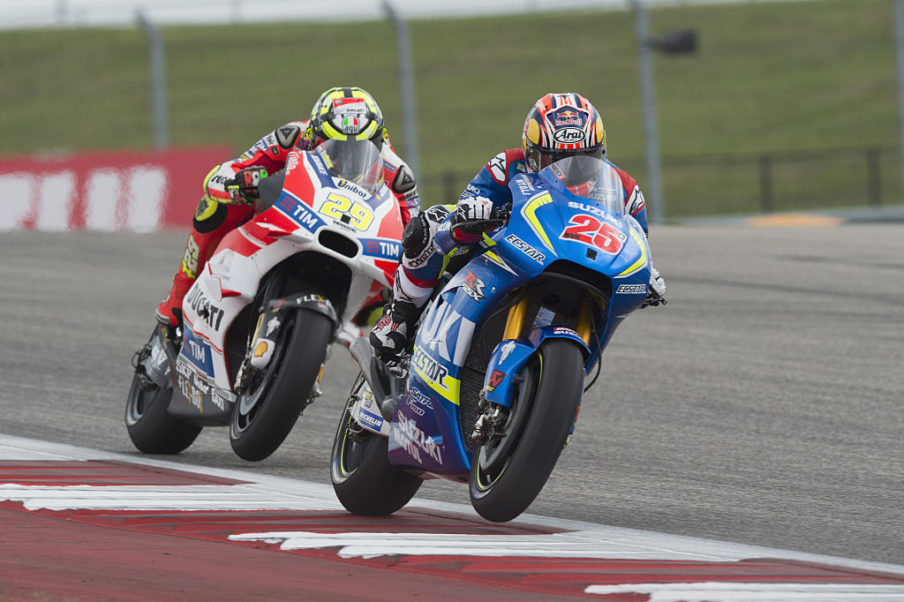
2017 already has a lot of intrigue to it, with a lot of top riders on top machinery. That in itself should create a massive amount of excitement. I do agree that WorldSBK does need to be reinvigorated, but I feel that levelling the playing field rather than mixing it up is correct way to go.
How they do that remains to be seen.




Comments.
Loading comments…