Honda’s first proper step into MotoGP’s 850cc future will be taken by two riders it is already preparing to lose.
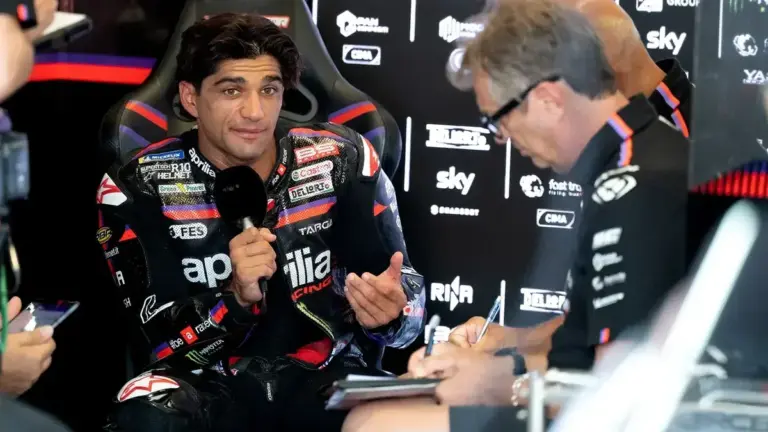
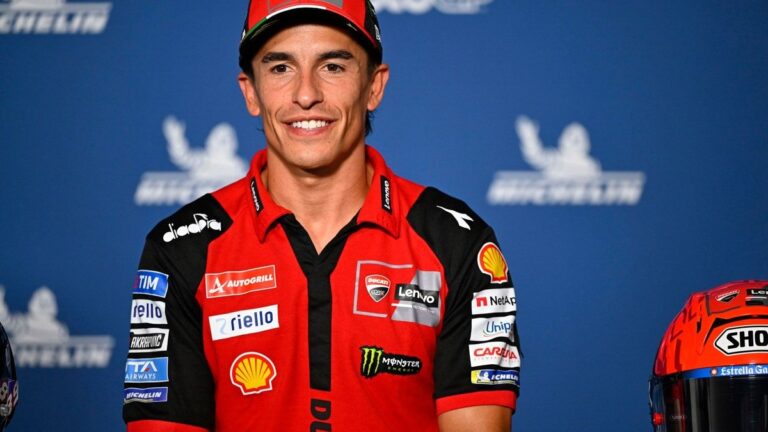
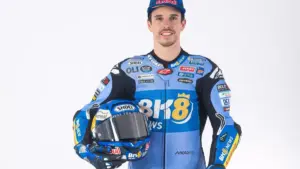
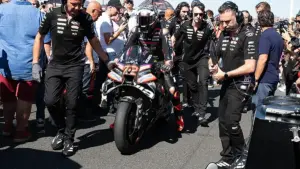
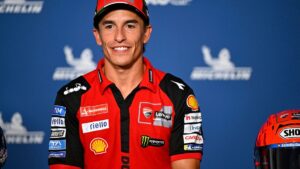
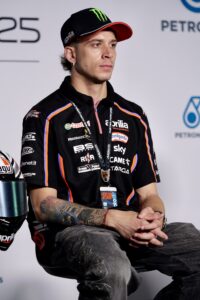
Joan Mir and Luca Marini are set to ride Honda’s 2027 prototype in Monday’s post-Czech Grand Prix test at Brno, giving HRC valuable race-rider feedback on the new rules package even though neither factory rider is expected to remain in its works line-up next season.
The decision, reported by Motorsport.com and followed by Crash.net on Thursday, immediately turns Honda’s Brno programme into one of the most intriguing tests of the new MotoGP era. It is not just about the RC214V’s first meaningful comparison against rival 850cc machinery. It is about whether Honda can afford to be protective when it still badly needs high-quality data.
Honda chooses feedback over secrecy
The logic is clear enough. The 2027 MotoGP regulations bring smaller 850cc engines, reduced aerodynamics, no ride-height devices and Pirelli tyres replacing Michelin. That is not a routine model-year update. It is a full reset, and Honda cannot approach it with only cautious mileage and guarded assumptions.
Mir’s case is the sharper one. He is expected to move to Gresini Ducati for 2027, which makes Honda’s willingness to put him on its new prototype unusual by modern factory standards. Marini’s future is also uncertain, while Honda’s incoming project has already been reshaped by Mikihiko Kawase’s arrival as HRC Castrol team manager and the wider attempt to build a stronger base for the next rules cycle.
That makes the decision look less like generosity and more like necessity. Mir and Marini know the current Honda better than anyone in the race team. They know where the bike has hurt them, where progress has been real, and where the data has not matched the rider’s feeling. For a manufacturer still trying to climb back towards MotoGP’s front group, that feedback is difficult to replace.
Brno test becomes a 2027 sorting point
The wider Brno test is already becoming a revealing early marker for 2027. Yamaha has placed Toprak Razgatlioglu at the centre of its own programme, a move that underlined how quickly its future MotoGP priorities are shifting. KTM’s decision to use Pedro Acosta has also sharpened the sense that Monday is not simply a tyre run, but an early political and technical sorting point.
Honda’s choice sits in that same landscape. Mir testing a bike he may never race for Honda creates obvious sensitivity, but the alternative was arguably worse: leaving the first major 850cc reference to riders with less current factory-bike context or less direct race-weekend knowledge of HRC’s problem areas.
It also places another spotlight on the rider market that has shaped so much of MotoGP’s 2027 conversation. ReadMotorsport’s earlier look at which current MotoGP riders could miss out on a 2027 seat already showed how unstable the grid picture had become. Brno now gives some of those same riders an influence over bikes they may not end up racing.
For Honda, that is the awkward trade-off. Keeping knowledge inside the walls matters, but building a competitive motorcycle matters more. If Mir and Marini help move the RC214V in the right direction before they leave, Honda may decide the short-term exposure was worth the long-term gain.