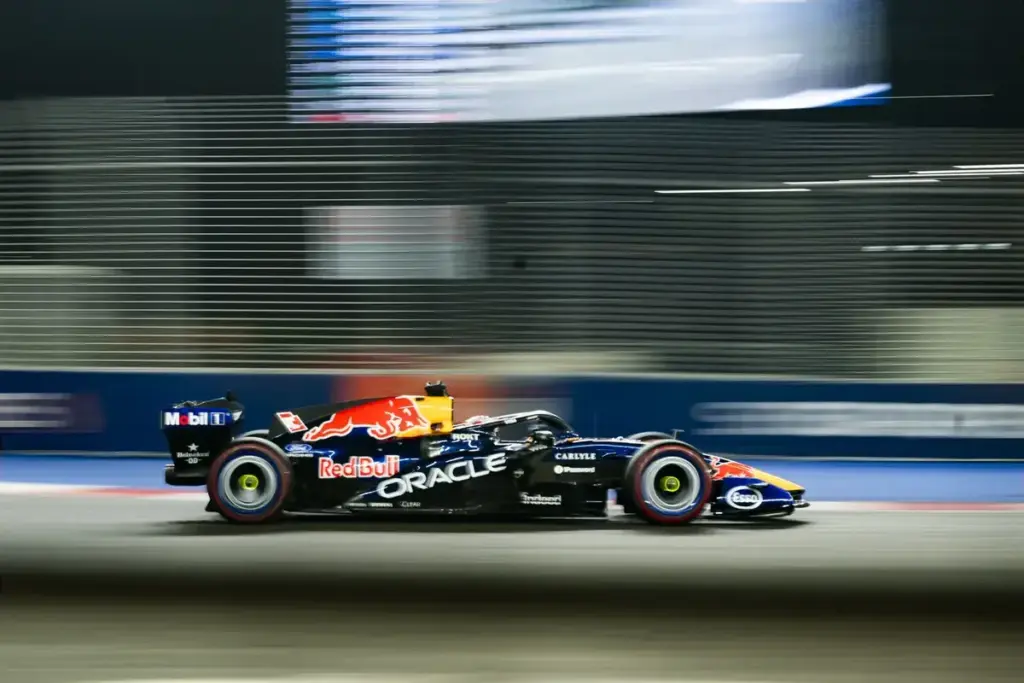

Friday’s fastest driver is not always Sunday’s favourite.
A team can finish practice looking comfortably ahead, then spend the race defending against a car that barely featured near the top of the timing screens. That does not necessarily mean the competitive order has changed overnight. More often, the practice results were missing context.
Fuel loads, tyre choice, and traffic all affect a lap time. Teams also have different jobs to get through before qualifying, and setting the fastest lap is not always a priority. The interesting part is working out which performances are likely to carry through to the race.
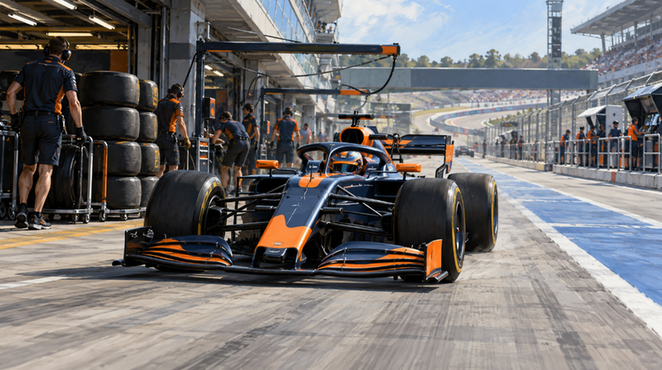
Image1: Practice pace doesn’t tell the whole story. AI-generated illustration.
Look beyond the quickest lap
A driver’s best time is the easiest number to compare, but it can be misleading. Fresh soft tyres and a relatively light car are a very different proposition from used mediums and a full race simulation.
Formula 1’s guide to the race weekend makes that point: teams use different fuel loads and tyre compounds during practice, often in changing conditions.
Longer runs deserve attention. A driver who produces several competitive laps without a sharp drop in pace may have more reason to feel encouraged than someone who sets one outstanding time before struggling with the tyres. Even those comparisons have limits.
Teams do not publish their complete run plans, and a slow lap could reflect traffic, tyre management, or a deliberate change of settings. Friday provides evidence, rather than a definitive ranking.
Pole position changes the race, but doesn’t settle it
Qualifying removes some of that uncertainty. Once the grid is decided, teams know who they need to pass and which rivals they will have to cover. The value of the pole still depends on the circuit. On a track with few passing opportunities, the leader can control the pace while those behind struggle to find space.
Elsewhere, a faster car starting further back may have more ways to recover. There is also a difference between getting the tyres ready for one flying lap and keeping them working over a race stint. A strong qualifying performance can put a driver in an excellent position without answering every question about Sunday. For a preview, both deserve consideration: the advantage of starting ahead and the pace needed to stay there.
Reading the betting market
Those distinctions matter to fans following the odds, too. A practice result or a strong qualifying session can attract attention, but neither should be read without considering how it was achieved. Readers comparing sportsbooks can find reviews and betting guides at www.onlinesportsbetting.net.
Online Sports Betting covers the choice of betting platform; assessing a race requires a separate look at the cars, drivers, and conditions. The favourite can still have an awkward afternoon. Traffic after a pit stop, damage at the start, or a reliability problem can undo a promising weekend. Odds reflect an assessment of the outcome, not a guarantee of it.
Watch where the pit stops will put each driver
A close race is often easier to understand by watching the gaps than the running order. A driver may be within reach of a rival but unable to stop without rejoining behind slower cars. Another might have enough clear track to pit early and make use of fresh tires straight away.
That makes timing crucial. Stopping first can create an opportunity, but only if the driver can use the extra grip. Staying out may preserve track position while leaving the car vulnerable as its tyres lose performance. These are the details that can make a strategy look puzzling on television. The team is weighing the immediate battle against what is happening further down the road.
By Sunday, the practice leaderboard has usually faded from view. The useful clues are the ones that survive: consistent pace, manageable tyre wear, and a car that gives its driver options when the race stops going to plan.






Comments.
Loading comments…