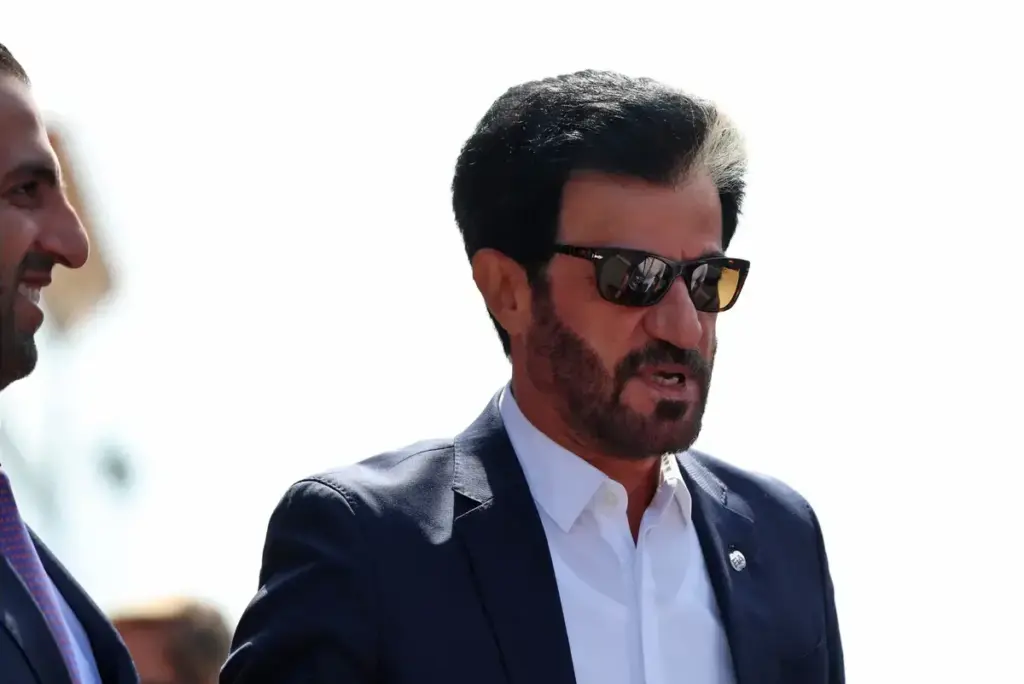

Formula 1 is set to return to V8 engines in 2030, with FIA president Mohammed Ben Sulayem targeting cars around 80kg lighter and major reductions in power-unit costs.
Ben Sulayem outlined the plans while speaking in Rwanda, where F1 has announced a 10-year agreement to bring the championship back to Africa. He said the new engine formula would arrive in 2030, bringing the current generation of power units to an end after four seasons.
“The beauty about 2030 is that we are working together; the launch of the new V8 will be in 2030,” Ben Sulayem said.
The FIA president also indicated that reducing weight is central to the project. “As a driver, the first thing we need is lightweight cars, so it is going to be approximately 80 kilograms lighter,” he said, before joking that he perhaps should not yet have revealed the figure.
FIA targets major F1 engine cost reduction
Cost is another part of the proposed reset, with Ben Sulayem saying the next generation would be “at least 50 per cent less in R&D and in the engine”. He also highlighted sound as a priority for fans as F1 prepares to move back towards an engine configuration it last used in 2013. The V8s being discussed for 2030, however, would be significantly different from those naturally aspirated units.
The emerging proposal is for a 3.0-litre turbocharged V8 running on sustainable fuel, accompanied by a smaller and simpler electrical system. A substantial agreement has been reached between stakeholders on the main direction, although the final technical regulations have yet to be published.
That distinction remains important despite Ben Sulayem’s confidence over the 2030 date. Audi chief Mattia Binotto said during the Azerbaijan Grand Prix weekend that a V8 was certain but described 2030 as the earliest possible introduction, adding that the regulations still needed to be agreed and voted on.
Ben Sulayem, however, says he has backing from both Formula 1 and the manufacturers for his preferred timetable.
“I have the support from FOM, from Formula 1, I have the support from the manufacturer,” he said.
F1 only introduced its latest 1.6-litre V6 turbo-hybrid regulations at the beginning of this season. A 2030 switch would therefore give the current power-unit formula a lifespan of just four years before V8 engines return to the grid.
For the latest Formula 1 news and analysis, visit Read Motorsport.


Comments.
Loading comments…