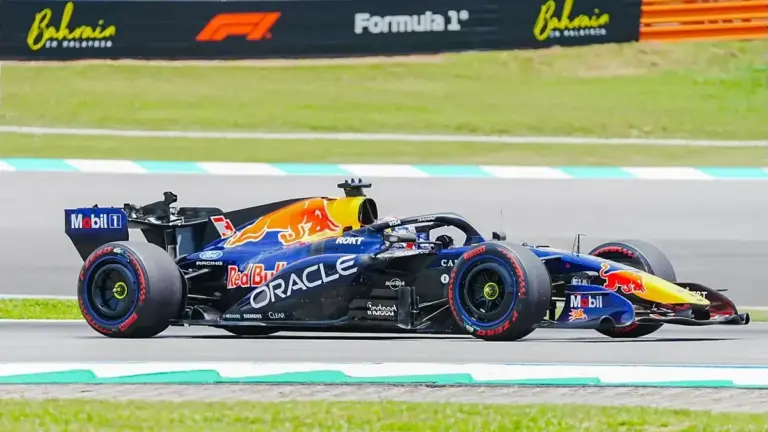
Formula 1’s newly published 2027 calendar has removed the single biggest obstacle to a grand prix driver returning to the Le Mans 24 Hours — but it has quietly created another one.
The 24-round schedule confirmed on Wednesday, the same announcement that handed Monaco its first sprint race, leaves a clear week around the 95th running of the French endurance classic on 12-13 June. The grands prix either side are Monaco on 6 June and Portugal’s return to Portimao on 20 June, which makes the logistics of a Le Mans cameo about as forgiving as they have ever been for an active F1 driver.
That matters because no active grand prix driver has started the race since Fernando Alonso, who won it in 2018 and 2019 with Toyota while racing in Formula 1. Max Verstappen has already gone sportscar racing this year in the NLS series at the Nurburgring, and the idea of a Verstappen or a Lando Norris at La Sarthe has moved from paddock daydream to something worth actually costing out.
The Le Mans test day is the real problem
The clash has not been eliminated so much as relocated. The Le Mans test day falls on 6 June 2027 — the same weekend as the Monaco Grand Prix. Under the sporting regulations, rookies at Le Mans must complete 10 laps of the Circuit de la Sarthe, five of them timed, on that day in order to be eligible to start the race. A first-time entrant who is racing in Monaco on the Sunday cannot be in western France doing installation laps.
There is little prospect of the date moving. The NLS shifted its second round this year to accommodate Verstappen, but the Automobile Club de l’Ouest and the FIA are a different proposition: the World Endurance Championship schedule is built around teams and crews who race in more than one championship, and bending it around a single F1 driver would create knock-on headaches well beyond the top of the entry list.
The exemption that could still open the door
An F1 driver does not automatically have to attend. Le Mans supplementary regulations allow a Platinum-rated driver competing in another major motorsport championship to apply to the ACO’s sporting committee — a route that is, in principle, tailor-made for a world champion. It is an application rather than an entitlement, though, and the kind of decision taken case by case rather than signalled well in advance.
Beyond the paperwork sit the obstacles that have always applied. A competitive drive has to exist: Hypercar seats at manufacturers capable of winning are scarce, and adding a part-time F1 driver to a three-man crew means displacing someone who has done the whole season. Contracts matter too. Teams are not generally enthusiastic about their lead driver spending the week before a grand prix in a 24-hour race, and Verstappen’s long-term Red Bull deal gives that conversation an obvious counterparty.
What has changed is the direction of travel. For years the honest answer to whether an F1 driver could do Le Mans was that the calendar made it impossible. For 2027, it does not. The remaining hurdles are negotiable ones — a waiver, a seat, a team principal’s blessing — and that is a materially different question from the one the sport has been asking since Alonso left.
Source: Motorsport.com.