

Formula 1 competitors face an immediate reality check at the inaugural Spanish Grand Prix as extensive simulator mileage meets Madrid’s unpredictable new kerbs.
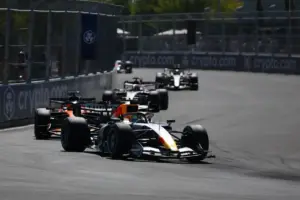
Drivers used driver-in-the-loop systems to push limits risk-free around the 22-turn layout. Yet offline modelling cannot perfectly replicate physical kerb geometry or aggressive track evolution. Engineering crews face a stark aerodynamic compromise. They must balance low-speed compliance through the tight chicanes against the rigid platform stiffness demanded by the high-speed sections. As Carlos Sainz targets hometown success, these trade-offs will dominate Friday running.
Simulator Gaps Trap Engineers
The accuracy of virtual telemetry dictates power unit performance this weekend. Williams driver Alex Albon explained that whether midfield cars navigate corners flat-out at the Madring massively alters energy software. If grip levels climb and corner speeds increase, deployment mapping will shift significantly. Speaking to The Race, Albon warned about the blind exits, noting that “I don’t think there’s a correct place you can position the car” through the banked La Monumental turn.
Blind Exits Undermine Overtaking
The circuit layout also threatens Sunday passing strategies. Curved braking zones into the slower chicanes severely limit alternate entry lines. Meanwhile, blind exits at high-speed sweeps leave competitors relying entirely on muscle memory. For championship leader Kimi Antonelli, this extreme strategic puzzle demands absolute precision.
The paddock will uncover the true correlation limits when cars leave the pit lane for the opening free practice session.



Comments.
Loading comments…