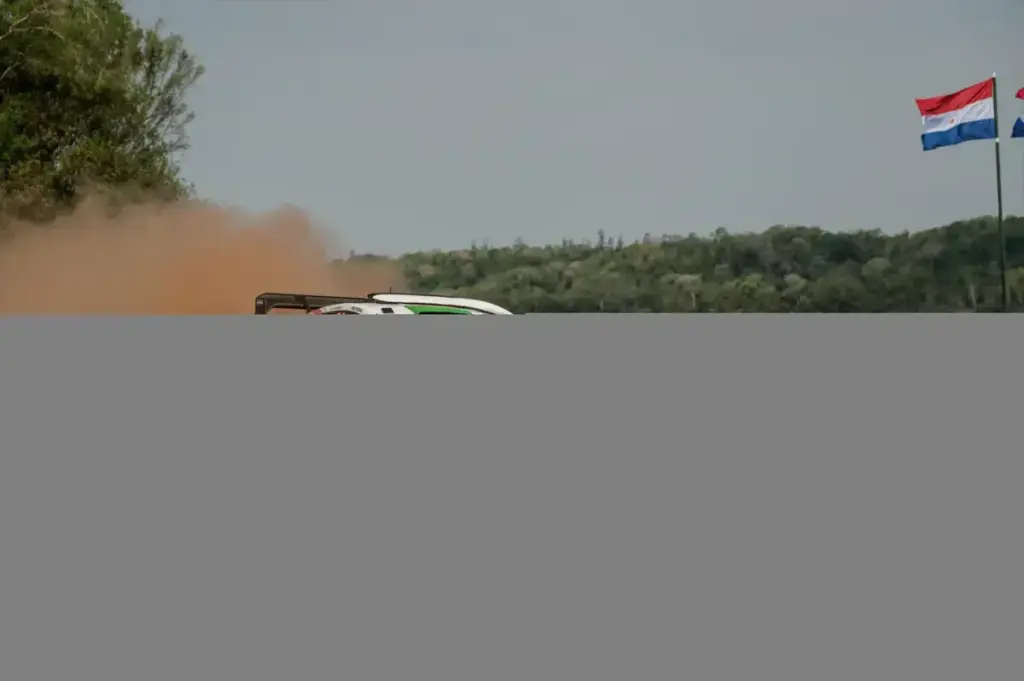

World Rally Championship leader Elfyn Evans believes the FIA’s emergency tyre allocation increase is strictly essential to survive the abrasive gravel stages at Rally Chile.
The governing body has raised the Rally1 limit from 28 to 36 sets following severe delaminations during the previous round in Paraguay. The expansion provides crews with a larger pool of Hankook rubber to manage the punishing South American terrain.
Abrasive Stages Demand Extra Rubber
Evans must open the road on Friday and anticipates immense surface degradation. Speaking to motorsport.com, the Toyota driver described the intervention as “the bare minimum” needed to complete the route.
“Chile always has a very varied stage type. Friday is quite fast but quite narrow and cambered roads, whereas Saturday is a bit wider and more flowing, but we also know tyre wear is a huge factor,” Evans added.
To further ease the strain, teams can swap two used tyres for replacements at a designated zone in Arauco after the refuelling stops.
Tactical Divide Over Degradation Rules
Not all competitors support the expanded allowance. Toyota team-mate Oliver Solberg argued the regulation change penalises drivers who excel at managing degradation.
“It helps the people who are not very good with tyre wear. I’m sad about it as normally I’m quite good with tyres. I would love to have not so many tyres, but that is how it is,” Solberg told motorsport.com.
The tactical debate arrives at a critical juncture for the paddock, with Adrien Fourmaux seeking victory and intense scrutiny surrounding Hyundai’s WRC future ahead of the 2027 reset.
Evans must now weigh protecting his championship advantage against extreme surface wear during Saturday’s longest loops.


Comments.
Loading comments…