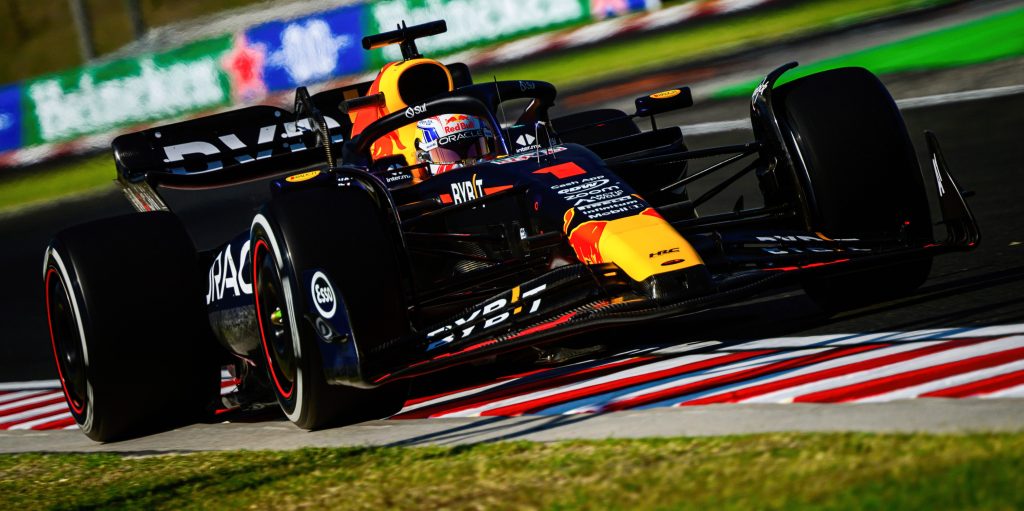

Formula 1 has set out how its new 2026 Overtake Mode, Boost and Recharge systems will change the way drivers attack and defend this season.
The official explanation matters because the old DRS logic has effectively been replaced by a more layered energy and active-aero system. F1 says the new power units split output roughly between electrical power and internal combustion, while drivers must manage battery harvesting, deployment and a fresh attacking aid across the lap.
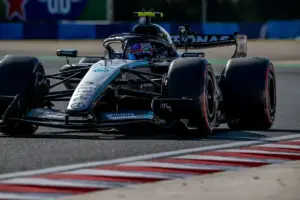
For front-line names such as Max Verstappen and Lewis Hamilton, the change is not cosmetic. It alters where an overtake can be built, when a driver can defend, and how much tactical control the cockpit now carries.
Overtake Mode changes the shape of F1 racing
The key detail is that Overtake Mode can be triggered when a chasing car is within one second at a designated point. That gives the attacking driver extra electrical power for the following lap, while active aerodynamics continue to manage straight-line efficiency and cornering grip.
F1’s own guide says the new system is part of a wider 2026 reset built around lighter cars, active aero and a new generation of power units, according to Formula 1’s official regulations explainer.
The immediate sporting point is simple: the best drivers may no longer wait for one obvious DRS zone. In 2026, race craft could be defined by energy timing, lift-off regeneration and surprise attacks in places rivals are not fully prepared to cover.
Comments.
Loading comments…