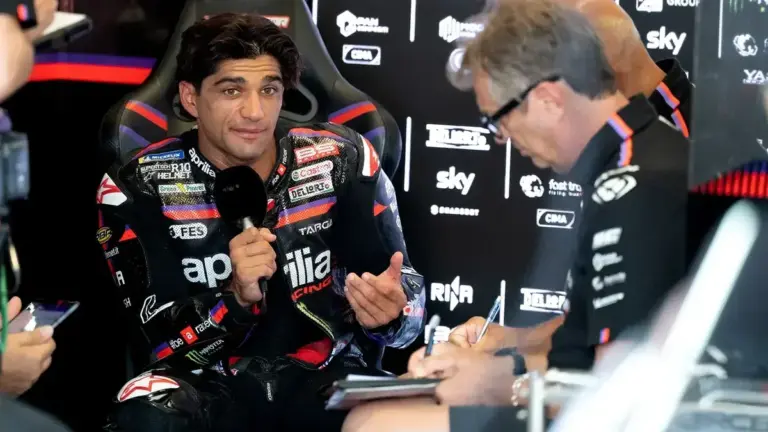
Pedro Acosta’s Brno Sprint crash has given MotoGP another awkward safety question just as the series begins moving away from ride-height devices.
The KTM rider fell at Turn 11 during Saturday’s Czech GP Sprint after what he described as a rear device problem that left the bike locked down from the start. According to Motorsport.com, Acosta said he spent the race trying to return the system to its normal position while fighting around the top five.
That context matters because Acosta had already used the Brno weekend to question whether MotoGP should keep any version of the holeshot and ride-height systems once the planned restrictions begin. After a weekend already dominated by heat, penalties and race-control pressure, the incident adds a technical edge to the championship’s safety debate.
KTM problem turns into a wider MotoGP issue
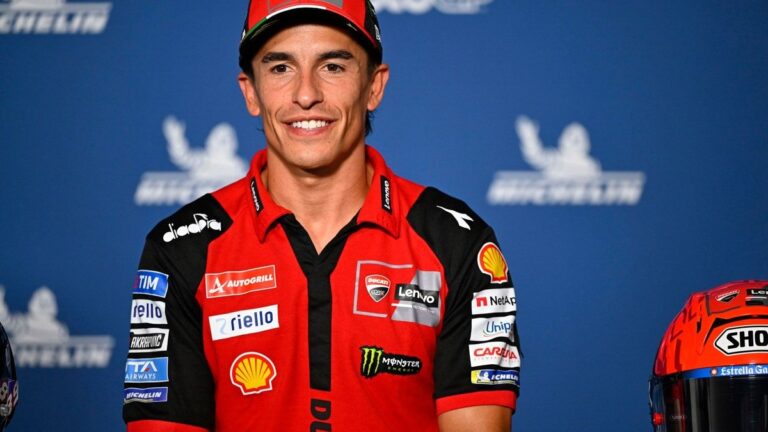
Acosta qualified eighth and gained ground early before the failure turned his Sprint into a damage-limitation exercise. The 22-year-old was still battling the Aprilias of Jorge Martin and Marco Bezzecchi before the crash, which came in a race won by Francesco Bagnaia ahead of Ai Ogura and Marc Marquez in Saturday’s tense Brno Sprint.
The official MotoGP report listed Acosta among several riders to crash out, but the KTM explanation gives the retirement extra significance. This was not simply a rider losing the front while pushing beyond the limit. It was a factory contender trying to race while managing a system that had not behaved as intended.
That distinction is why the story lands beyond KTM. MotoGP has spent years wrestling with how much launch and ride-height technology should be allowed to shape racing. Acosta’s Brno fall will not settle that argument on its own, but it gives the paddock a fresh example at a time when device restrictions are already part of the sport’s direction.
Acosta warning lands at the wrong time for KTM
For KTM, the frustration is sharper because Acosta had enough pace to believe a top-five finish was possible. Instead, Brno became another reminder that its 2026 package still needs reliability and execution as much as raw speed.
ReadMotorsport had already examined how Acosta’s KTM test call put Brno in a wider development frame, and this failure reinforces the same point. The rider is not only asking for more performance. He is asking for a bike that lets him fight without splitting attention between racecraft and troubleshooting.
The safety discussion is also building across the weekend. Marc Marquez and Cal Crutchlow had already pushed MotoGP toward a clearer heat policy after the conditions at Brno, a theme explored in MotoGP’s latest Brno safety question. Acosta’s issue is different, but the direction is familiar: riders want fewer avoidable variables when the race is already difficult enough.
Brno gave MotoGP a spectacular front fight. It also gave the series another reminder that some of its most important decisions are being shaped by the problems riders are still having to solve at racing speed.