- Kimi Antonelli and Oliver Bearman are part of F1’s growing production line.
- Teams are now fast-tracking elite talent rather than waiting for drivers to mature.
- Verstappen’s success helped reshap how F1 approaches driver development.
There was a time when Formula 1 teams preached patience.
Young drivers were supposed to earn their stripes. A couple of seasons in Formula 3, a couple more in Formula 2, perhaps a stint as a reserve driver before finally being trusted with a race seat.
Remember those days?
These days, it feels almost old-fashioned.
Because if the rise of Kimi Antonelli and Oliver Bearman tells us anything, it is that Formula 1 teams no longer seem particularly interested in waiting around.
And perhaps that is understandable.
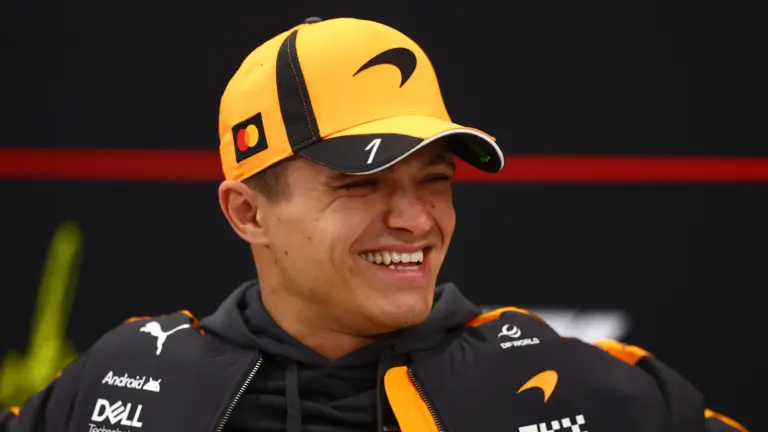
Mercedes could have taken the cautious route with Antonelli. Instead, the Italian has been on a fast-track programme for years, with the team making little secret of how highly they rate him.
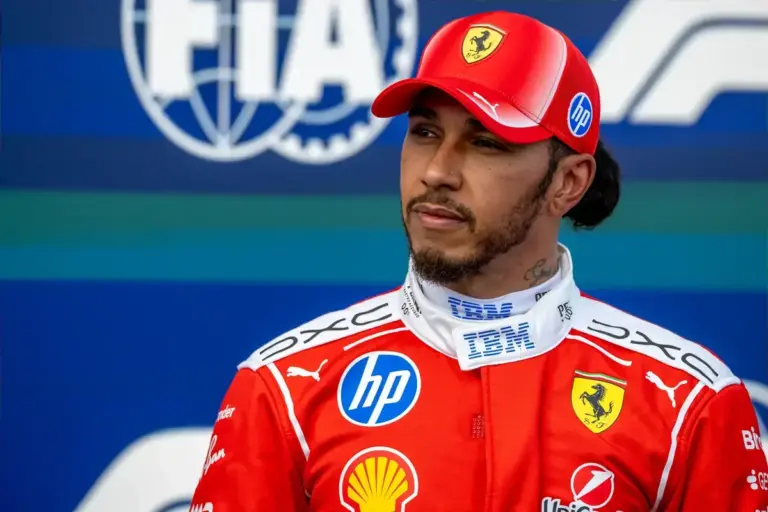
Bearman has experienced something similar. One minute he was being discussed as one of Britain’s brightest prospects. The next, he was climbing into a Ferrari at short notice and looking remarkably comfortable under a spotlight that has overwhelmed far more experienced drivers.
Then there is Arvid Lindblad.
Red Bull pushed successfully for the teenager to receive an FIA Super Licence exemption before his 18th birthday, a move that tells you everything you need to know about how highly the team regard him.
The question is why.
The Verstappen effect
Or perhaps the better question is who.
Because the answer probably begins with Max Verstappen.
Before Verstappen burst onto the Formula 1 scene as a teenager, the concern was always that drivers were being promoted too early.
Now, the fear seems to be the opposite. What if the next Verstappen is sitting in Formula 2 while a rival spots his potential first? That is quite a shift when you think about it.
Verstappen’s success has changed the conversation across the paddock. Teams are no longer asking whether a teenager is ready for Formula 1. They are asking whether they can afford to wait another year to find out.
Nobody wants to be the team that missed the next generational talent.
Not Mercedes.
Not Ferrari.
And certainly not Red Bull.
A new Formula 1 blueprint
Of course, not every teenage sensation becomes a world champion.
Some drivers still benefit from time. Experience matters. Making mistakes in Formula 2 is usually preferable to making them in front of a global television audience on a Formula 1 weekend.
But the old model feels increasingly outdated. The days of telling exceptional talents to wait their turn appear to be fading fast. Antonelli and Bearman are not anomalies.
They are the product of a sport that has changed its mind. Formula 1 once viewed patience as the safest option. Now, the bigger risk may be waiting too long.