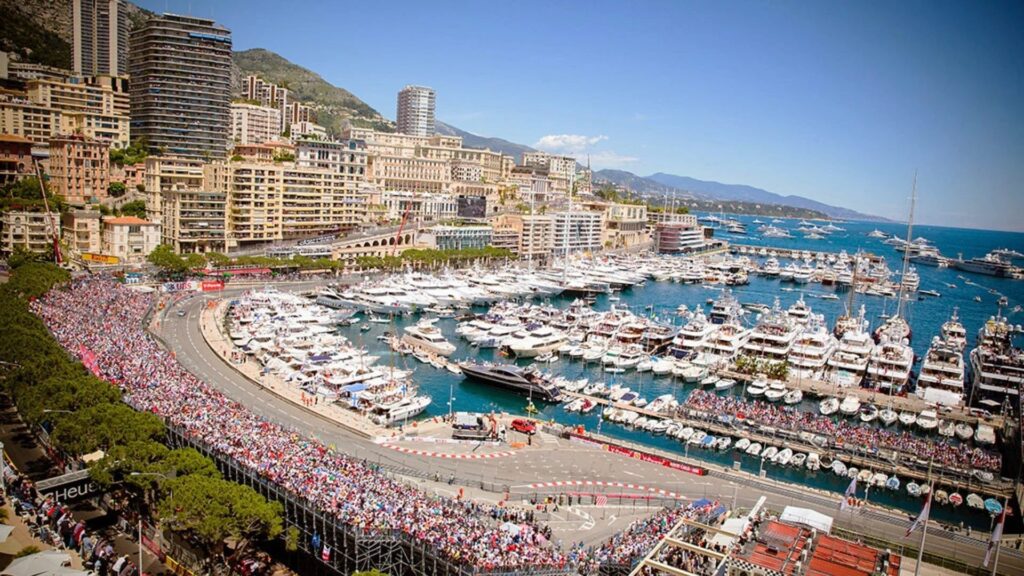

- Monaco remains Formula 1’s most famous and unforgiving street circuit.
- The race has been part of motorsport history since 1929.
- This weekend’s grand prix continues one of Formula 1’s defining traditions.
The 2026 Monaco Grand Prix arrives this weekend, bringing Formula 1 back to the streets where history, risk and prestige remain inseparable.
There are faster races on the F1 calendar. Some circuits produce more overtaking, more strategy variation and, often, more straightforward sporting drama.
Yet none carry quite the same weight as Monaco.
The Monaco Grand Prix has long existed as something more than a race. It is part sporting contest, part cultural event and part living museum, staged on streets that still feel almost absurdly unsuited to modern F1 machinery.
That contradiction is exactly why it matters.
Why Monaco still stands apart
First held in 1929, the Monaco Grand Prix was born from ambition as much as sporting logic. Antony Noghès, working with the Automobile Club de Monaco, helped create an event that would bring grand prix racing into the principality and establish Monte Carlo as one of motorsport’s most recognisable stages.
Nearly a century later, the circuit remains instantly familiar.
Sainte Dévote, Casino Square, Mirabeau, the Grand Hotel Hairpin, the tunnel, Tabac and the Swimming Pool section are not merely corners. They are reference points in F1 history, places where champions have built reputations and mistakes have been punished with almost no warning.
That is Monaco’s great appeal.
It asks a different question of drivers. Raw speed matters, but precision matters more. Confidence matters, but overconfidence can end a weekend in seconds. Qualifying is often decisive, but that only increases the pressure rather than reducing the challenge.
The debate Monaco continues to create
Of course, Monaco is not immune from criticism.
Modern F1 cars are bigger, wider and less naturally suited to racing wheel-to-wheel around Monte Carlo. Overtaking is limited, track position is crucial, and Sundays can sometimes become a procession rather than a conventional race.
Those criticisms are valid.
But they are also part of the wider argument about what F1 should preserve. Not every grand prix needs to offer the same type of spectacle. Monaco’s value lies in its difference.
This weekend’s 2026 race, held over 78 laps of the 3.337km Circuit de Monaco, continues a tradition that connects the modern championship with its deepest roots.
The question is not whether Monaco is perfect for contemporary Formula 1. It isn’t.
It is whether Formula 1 would feel complete without it.
For all its limitations, the answer is clear. Monaco remains the race that reminds the sport where it came from, why danger once defined its mythology and why some venues become famous not because they are easy to race, but because they are almost impossible to master.


Comments.
Loading comments…