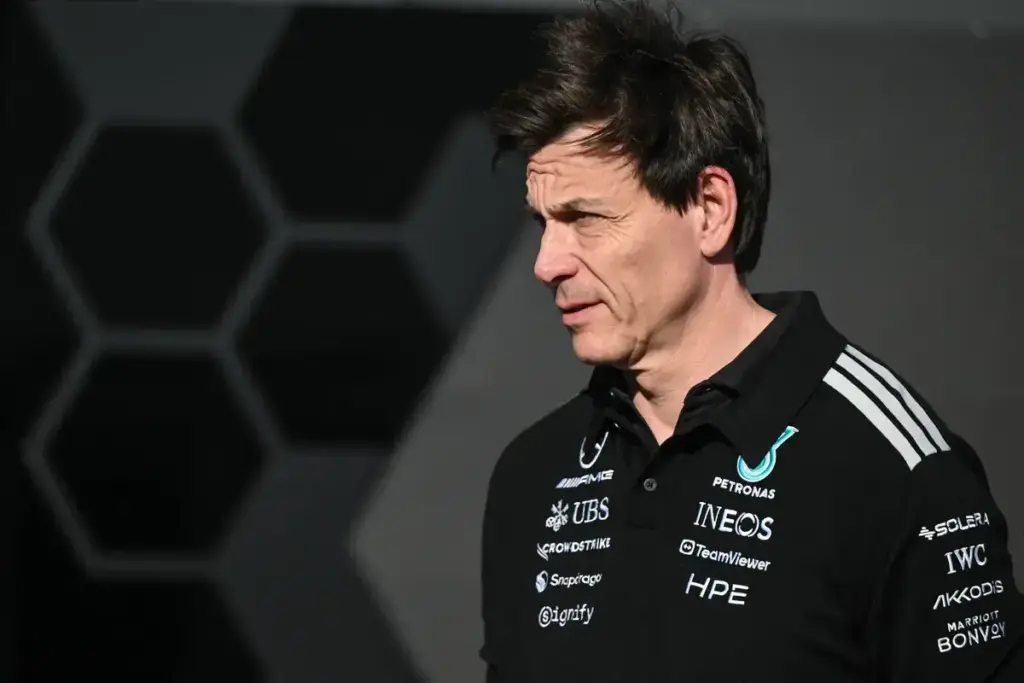

- Mercedes boss Toto Wolff wants 800bhp from the V8 and 400bhp from the electric.
- Ben Sulayem confirms the switch, with or without manufacturer approval.
- Mercedes, Red Bull and Ferrari align, making the V8’s comeback near certain.
Toto Wolff has publicly backed the FIA’s plan to bring back V8 engines, going further than most by proposing a power unit that could produce up to 1,200bhp.
The Mercedes team principal made the comments at the Miami Grand Prix weekend, where FIA president Mohammed Ben Sulayem confirmed that V8 engines would return to the sport.
The announcement came just four races into the 2026 season, which introduced the most electrification-heavy regulations in F1 history.
Wolff’s endorsement carries particular weight. Mercedes dominated the hybrid era, winning eight consecutive constructors’ championships between 2014 and 2021.
His support for a V8 return marks a clear shift in direction for the team and for the sport.
Ben Sulayem declares the V8 “is coming”
F1 dropped the V8 in favour of a V6 turbo-hybrid in 2014. The 2026 regulations pushed electrification even further, splitting power almost equally between combustion and electric energy.
That experiment has drawn widespread criticism, and tweaks have already been made just four rounds in to reduce energy harvesting and improve safety.
Against that backdrop, Ben Sulayem made his position plain in Miami.
“It’s coming. At the end of the day, it’s a matter of time,” he told Reuters.
He set a preferred target of 2030 for the switch, though he added the FIA could force it through for 2031 without a manufacturer vote if needed.
Ben Sulayem argued the V8 offers “the sound, less complexity, lightweight” while remaining relevant to the road car programmes of manufacturers like Ferrari, Mercedes and Cadillac.
He confirmed the new units would carry “very, very minor electrification” compared to the current formula.
Toto Wolff says “count us in” and proposes a 1,200bhp power unit
Wolff did not simply endorse the concept. He put forward a specific formula for what the new engine could look like.
“We love V8s,” he told The Race. “That has only great memories and, from our perspective, it’s a pure Mercedes engine.”
He suggested combining a high-revving V8 combustion engine producing around 800bhp with an additional 400bhp or more from an electric motor.
That would push the total output beyond 1,200bhp, well above what current F1 cars produce.
Wolff also flagged the risk of going fully combustion.
“If we swing 100% combustion, we might be looking a bit ridiculous in 2031 or 2030,” he said.
His proposal keeps a meaningful electric component while simplifying the overall system. He set one condition for Mercedes’ full commitment: the process must be handled properly.
“We are absolutely up for it, as long as those discussions happen in a structured way, people are being given consideration and being taken on board,” he said, before adding: “Count us in to come back with a real, real racing engine.”
Red Bull, Ferrari and the wider paddock respond
Red Bull also expressed support, despite having invested heavily in building a power unit compliant with the 2026 regulations.
Team principal Laurent Mekies framed the prospect of another regulation change as an opportunity.
“As Red Bull Ford Powertrains, we are pretty cool with it,” he told The Race. “We are quite excited to have another challenge tomorrow.”
Ferrari’s support comes from a different angle. Team principal Fred Vasseur has focused on the financial burden of the current formula.
“From the beginning, we have one parameter in mind, it’s to reduce the crazy budget of the engine,” he said.
He added that the issue affected not just manufacturers but customer teams across the grid as well.
F1 CEO Stefano Domenicali has aligned himself with those priorities, identifying weight reduction and cost-cutting as the two main goals for the next engine cycle.
The political road ahead
The 2030 target requires four of the six power unit manufacturers to vote in favour of the change.
The six manufacturers are Mercedes, Ferrari, Honda, General Motors, Audi and Red Bull. If that threshold is not met, the FIA holds the authority to implement the change unilaterally for 2031.
Ben Sulayem made clear he is prepared to use that power if necessary. “It’s not a matter of, ‘Do I need their support?’ No, it will be done,” he said in Miami.
The 2026 regulations were built on the assumption that the automotive industry would keep moving toward electrification.
That assumption has since weakened, and the FIA has used the broader industry’s change of direction as grounds to revisit its own.
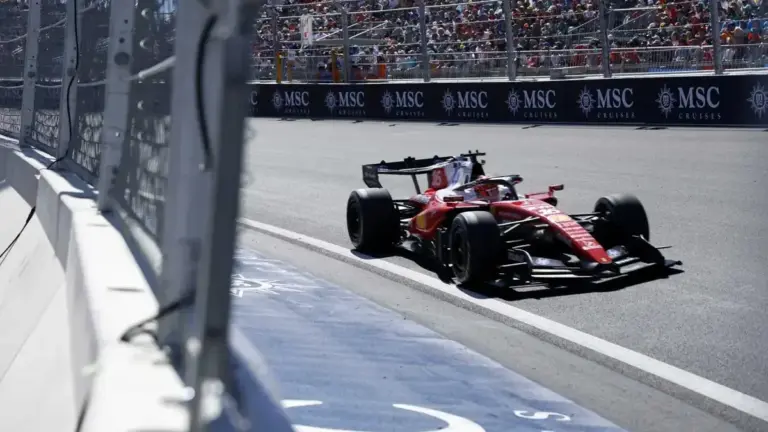
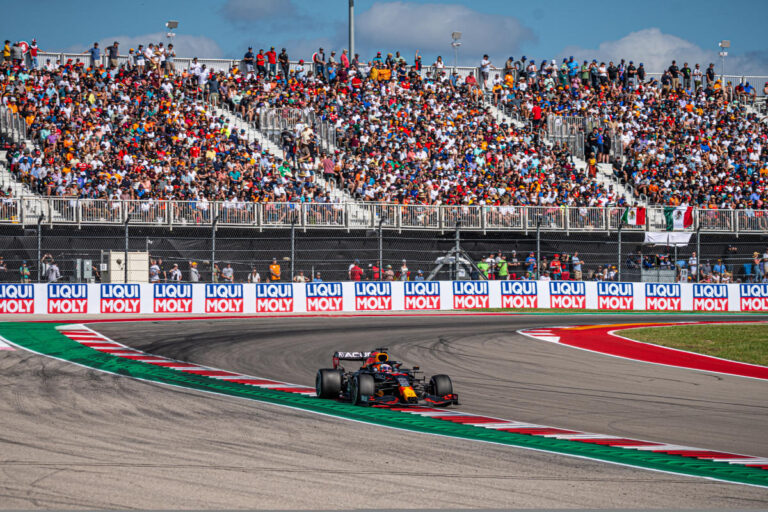
With Mercedes, Red Bull and Ferrari all signalling support, the conversation in the paddock has shifted from whether the V8 will return to when it arrives and how much electric power it carries.

Comments.
Loading comments…