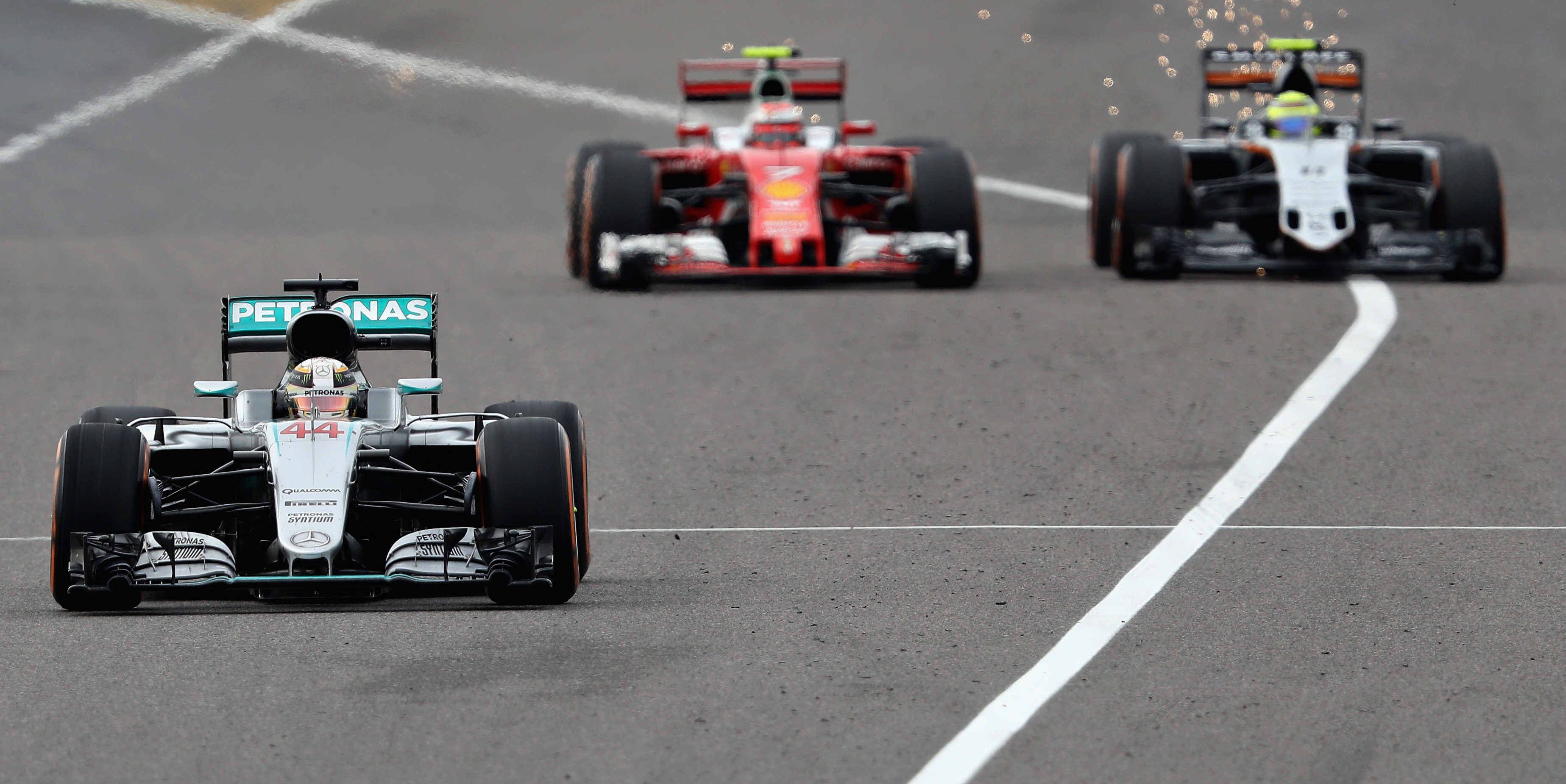

Sunday’s Japanese Grand Prix produced one of the most entertaining races of the season.
From Hamilton’s drama at the start, to the numerous on track battles with cars out of position, there was no shortage of action unless you were Nico Rosberg.
However, one of the highlights of the race was how drivers actually had to think about how they overtook.
The unique layout of Suzuka means much of the track is curves with only two high-speed straights. The longest of those runs from Spoon to the Triangle chicane but in the middle happens to sit a 190mph sweep called 130R.
That means the DRS is restricted to just the pit straight as the FIA can’t risk the likes of Manor and Sauber travelling through 130R with the rear wing wide open.
But, as a consequence of only having a single DRS zone, drivers had to use their imagination.
Just today we saw moves at the hairpin, into Spoon, on the approach to 130R as well as Turn 1. OK, the majority of moves made were using DRS but that is to be expected given the advantage it brings.
A single zone also creates situations where a driver can’t afford to wait for another lap, stuck behind another car, and they have to make a bold move elsewhere on the circuit.
Suzuka is a rare break from the governing body’s usual DRS policy. Every significant straight now seems to contain a zone, even areas where overtaking was previously common have seen DRS make passing even easier.
Spa’s Kemmel straight, Monza’s pit straight even the main straight at Interlagos are all such examples where DRS is active, but none of them really need it.
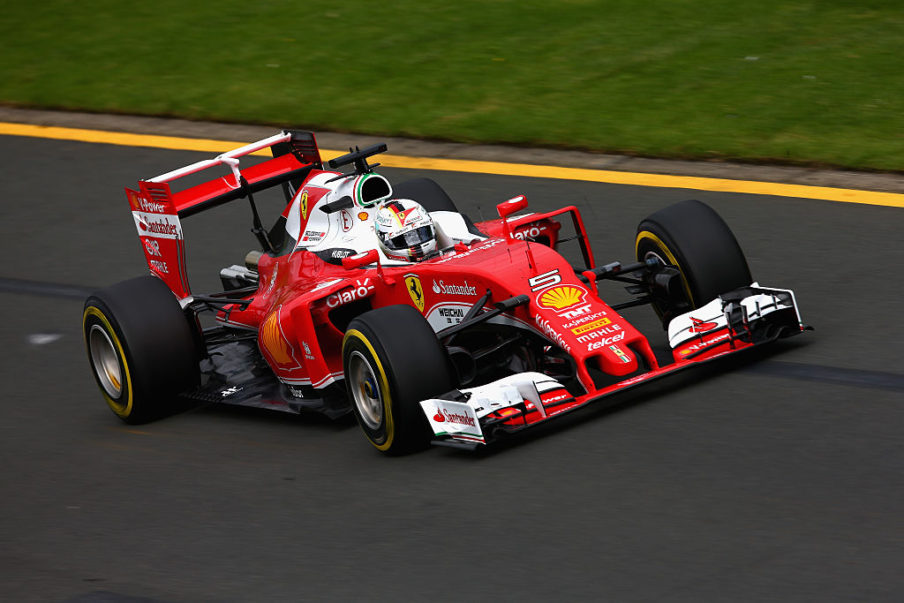
Of course some circuits do need it, Hungary, Spain and Melbourne spring to mind, but certainly, at most modern circuits there is at least one prime overtaking area.
So instead of locating DRS halfway down every one kilometre straight why not consider reverting to a 2011-style setup?
In qualifying, the system was open for where ever the driver wanted to use it. That then called for bravery in some places, something which helps improve the image of the drivers.
If non-permitted areas like the tunnel in Monaco, Eau Rouge and 130R are required then enforce it by telling the driver to simply not touch the button!
Then in the races why not try and generate a second overtaking area using DRS away from the one-kilometre straights. Sepang only needs one, Bahrain only needs one as does Abu Dhabi.
It almost sounds like common sense, which is probably why the FIA don’t do it.
Many are waiting to see what impact the new 2017 cars will have on DRS, will the wider chassis’ and wheels make defending a little easier or will the increased drag make the flap effect even more powerful?
There’s no hope for those who want to see DRS gone altogether. Top teams love spending incredible amounts of money on their front wings so they daren’t make them simpler.
That means the dirty air will continue to have a dramatic impact and therefore DRS will be needed to push the cars through it.
If used properly DRS could be a great tool for F1 and Suzuka is a fine example of that. Instead, by offering half a kilometre of no rear drag on top of a slipstream from Raidillon to Les Combes it really isn’t.



Comments.
Loading comments…