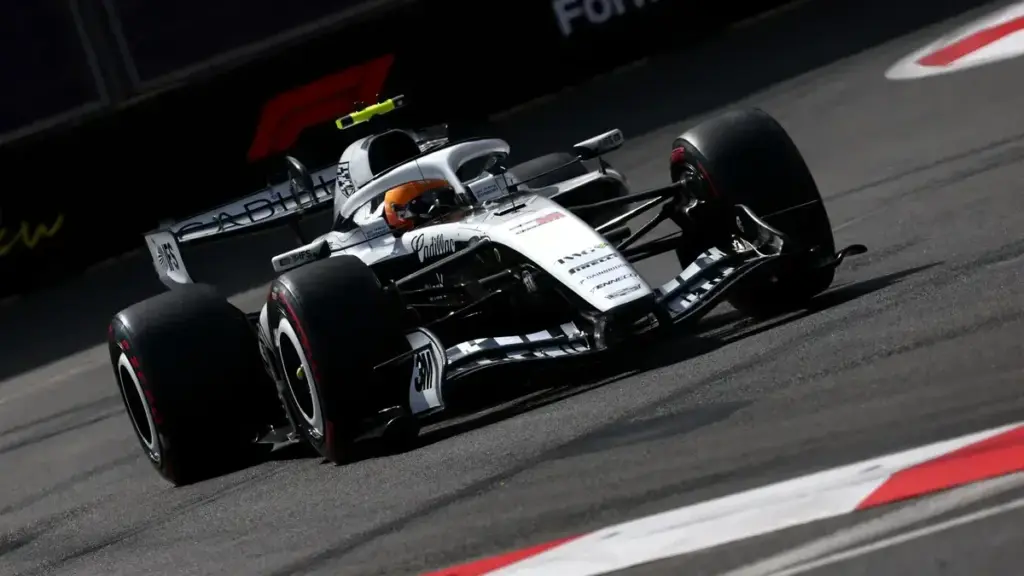

The FIA wants to cut at least another 60kg from Formula 1 cars as it begins shaping the regulations that could arrive in 2030.
Single-seater director Nikolas Tombazis says the governing body wants the next generation to be lighter and more responsive, with greater emphasis on what drivers can do behind the wheel.
“We want to have more exciting cars that are significantly lighter than they are now and feel more natural and responsive,” Tombazis said.
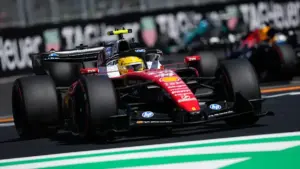
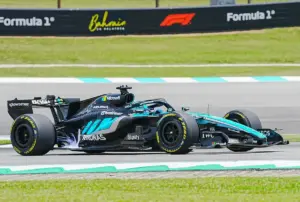
The 2026 regulations have already reduced car weight by 30kg compared with the previous generation. The next step could be twice as large.
FIA targets at least another 60kg reduction
Tombazis stressed that the final numbers have not been agreed, but said the FIA is aiming significantly lower again.
“I don’t want to give figures, because we still need to finalise certain aspects, but our ambition is to reduce the weight of the cars by at least another 60kg, perhaps even more,” he said.
The intention is not to sacrifice much of F1’s outright performance. Tombazis says the FIA wants lap times to remain around current levels, with lighter cars allowing it to reduce aerodynamic load at the same time. The aerodynamic philosophy introduced this season is expected to provide the starting point. Rather than abandon the 2026 concept, the FIA believes it can develop it further to help cars follow each other more closely.
Tombazis also expects the wider package to produce more favourable tyre degradation, allowing drivers to spend more time pushing during races.
Electric power could be used for overtaking
The plans extend beyond weight and aerodynamics. The FIA is working towards a turbocharged V8 with a smaller electrical component, which could be used primarily to give drivers additional power when attacking another car.
DRS has not been ruled out either. Tombazis says the FIA can assess whether another overtaking aid is required once simulations show how effective the electrical system is. The proposals follow his admission that the FIA knew about difficulties with the 2026 power-unit concept as early as 2022.
FIA president Mohammed Ben Sulayem has separately outlined plans for F1 to return to V8 engines, with lower costs among the targets for the next power-unit generation. None of the longer-term regulations has yet been finalised. The FIA is still discussing whether the new generation should begin in 2030 or 2031.
Keep up with the latest F1 developments
Follow the latest Formula 1 news, technical developments and regulation changes on Read Motorsport.


Comments.
Loading comments…