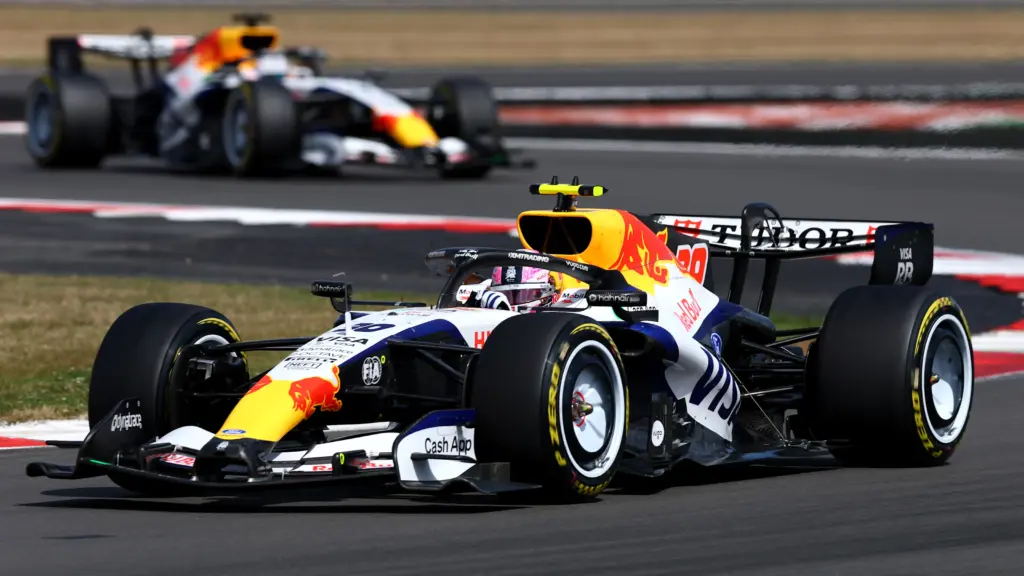

Every Formula 1 grand prix looks different on paper. Yet the numbers behind race distance follow one strict rule. Formula 1 race distance for a normal grand prix comes down to a simple calculation, and it explains why Silverstone needs more laps than Spa. Look closer at the rulebook, though, and a few notable exceptions and upcoming changes start to reshape that picture.
The 305km Standard Defining Modern Grand Prix Racing
The FIA sets a straightforward target for every full grand prix on the calendar. Organisers work out the minimum number of laps needed to cover more than 305 kilometres. Then they round that figure up. That is why lap counts vary so much from track to track: a short circuit like Zandvoort needs far more laps than a sprawling one like Spa-Francorchamps to reach the same overall distance.
This approach keeps the raw distance close to identical everywhere Formula 1 races. Lap counts still swing from the high forties to the low seventies, but watching two different grands prix in the same season, we’re still watching roughly the same length of race, even if the shape of the circuit looks nothing alike. It’s a quiet piece of consistency underneath a sport that otherwise changes venue every fortnight.
Monaco Exemption and Current Sprint Calendar Regulations
Monaco breaks that rule entirely. The streets of the principality are too tight and too slow for a full 305 kilometres to fit sensibly within a normal race. The minimum distance there drops to 260 kilometres instead. It remains one of the last true exceptions in the modern rulebook, and it survives even as calendar pressure on classic tracks pushes other circuits towards shorter, sharper race weekends.
Monaco’s special status isn’t going away. Recent plans for the Monaco circuit confirm it will keep its reduced distance while joining the sport’s growing list of Sprint weekends. The 2026 calendar carries six Sprint events. Each one splits the weekend into a shorter Saturday race that pays its own points, alongside the usual grand prix on Sunday.
Sprint races run to their own, tighter distance rules rather than the 305 kilometre standard. That’s part of why they feel like a slightly different sport. They exist to add jeopardy across the whole weekend, and six rounds on the current calendar is a lot compared with when the format first appeared.
The 2011 Montreal Extreme and Official Time Limits
Distance is only half the story. Formula 1 also caps how long a race is allowed to run, regardless of how many laps get completed. Current regulations allow a maximum of two hours of actual racing time. On top of that sits a hard overall ceiling of three hours once red flags and suspensions are added in.
Those limits exist for good reason. The 2011 Canadian Grand Prix at Montreal shows exactly why. Heavy rain forced repeated red flags and long delays that afternoon. The race eventually finished at four hours and four minutes, an official time that still stands as the longest in Formula 1 history. Nothing since has come close to testing the three-hour ceiling in quite the same way.
Montreal is the extreme case the rulebook is built to stop becoming routine. Without that three-hour cap, a wet, chaotic afternoon could in theory drag on far longer, at real cost to drivers, teams and broadcasters alike.
Confirmed 2027 Distance Cuts and the Future Grid
The next real shift lands in 2027. The standard Formula 1 race distance will officially be reduced under confirmed regulation changes. It marks one of the more significant tweaks to the format in years, moving away from the long-standing 305 kilometre baseline that has shaped grand prix racing for decades.
Shorter races change more than the finish time. Strategy calls shift. Tyre stints compress. Teams have less room to claw back a bad start once things go wrong. None of that is guesswork; the reduction has already been confirmed rather than floated as a proposal, and teams are already planning around it.
The wider picture matters just as much as the number itself. Teams already lean on data analytics in grand prix racing to fine-tune strategy lap by lap, and a shorter race window will only sharpen how quickly those calls need making. For the full detail behind the numbers in this piece, Motorsport.com’s Motorsport.com race distance analysis is worth a read.



Comments.
Loading comments…