Take a look at Formula 1, and it’s obvious that this is a sport that has always been defined by generations. As one era starts to pass, a new one emerges, and the crossover period sees established stars defending their places against younger rivals. The 2026 season is the perfect example of this, and here’s a look at the names involved.
Andrea Kimi Antonelli Leads the New Generation
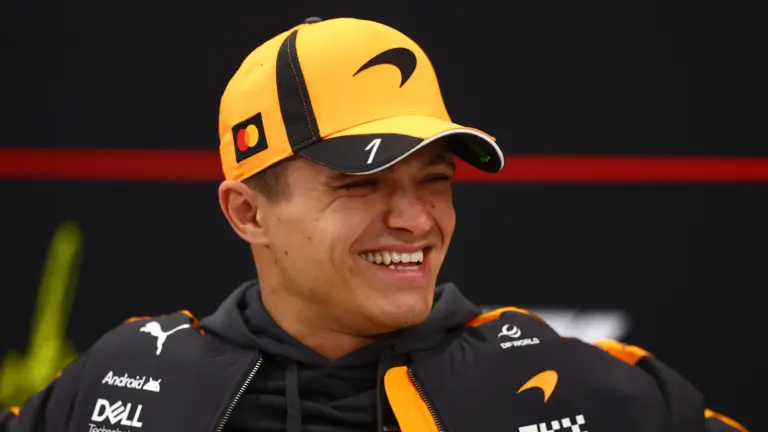
You’ll struggle to find any drivers entering the season with as much expectation as Andrea Kim Antonelli. Before he even made it to the grid, his name was being discussed as a future star. This was all down to his performances in junior categories, where he created huge excitement. When Mercedes chose him to join, there were those who wondered if he was too young to face the pressure.
To date, Antonelli has proven the doubters wrong. Far from being overwhelmed by the challenge ahead, he has quickly adapted to life at the front of the grid. It was his victory in Monaco that really highlighted what this youngster is capable of, and what the future could hold.
What makes Antonelli’s story so interesting is the calm way that he has approached the vast attention he’s receiving. Many young drivers arrive in F1 with a great deal of hype around them. There aren’t many who manage to stay composed when every performance is analysed in detail by the media and fans. His early success shows that he may well possess the mentality needed to take his potential and move towards being a real championship contender.
The Youth Movement Is Reshaping Formula 1
Antonelli is not the only young driver worthy of attention within F1. If you look across the grid, teams are clearly willing to trust younger talent, whereas these opportunities used to be reserved for more experienced drivers. The arrival of Arvid Linblad is another example of this. The British teenager is representing the new generation that has been produced by sophisticated development programmes.
F1 teams look to identify talent much earlier than they used to. The generation of young drivers spends hours in simulators, works alongside engineers, and gets professional coaching from a very young age. By the time they make it to the F1 scene, they tend to be much more prepared than previous generations ever were.
An example of some of the challenges that face young drivers can be found by looking at Gabriel Bortoleto. Being hugely successful in junior categories guarantees nothing in Formula 1. In F1 itself, competition is relentless, and expectations are high. He is still developing with Audi, and he shows just how determined this new generation is when it is facing some of the most established stars the sport has ever seen.
Isack Hadjar Faces One of the Toughest Jobs in Motorsport
Few positions in Formula 1 are as demanding as driving alongside Max Verstappen at Red Bull Racing. The team has developed a reputation for expecting immediate performance, and several talented drivers have struggled under the pressure that comes with being compared to one of the sport’s dominant figures.
Isack Hadjar accepted that challenge when he joined the senior Red Bull team. From the moment he arrived, every performance was destined to be measured against Verstappen’s results. That level of scrutiny can quickly damage confidence, particularly for a driver still establishing himself at the highest level.
Instead, Hadjar has shown signs that he is capable of thriving in the environment. Strong performances, including an early podium finish, have demonstrated both speed and resilience. More importantly, he appears willing to embrace the challenge rather than avoid it.
His story represents a broader theme within the 2026 season. Young drivers are no longer content to spend years learning in the background before competing against established stars. They are arriving ready to challenge immediately, creating a fascinating dynamic throughout the grid.
Max Verstappen Has Become the Benchmark
It is easy to forget that Max Verstappen was once Formula 1’s teenage sensation. When he arrived in the sport, much of the conversation centred on his youth and potential. Years later, the narrative has changed completely. Verstappen is now the benchmark against which emerging drivers are measured.
That transition says a great deal about both his success and the speed at which Formula 1 evolves. The driver who once represented the future has become one of the experienced figures younger competitors are chasing. Every new talent entering the sport is compared with the standards he has established.
Many would argue that maintaining that position is harder than achieving it in the first place. With each season, there are new challengers out to prove themselves, and expectations only go up. Rivals get the chance to study his strengths, and teams take the time to analyse all parts of his performance. For many young drivers, he is the main block to them progressing in the sport.
Regardless of those pressures, Verstappen is still a major part of the sport and draws in vast numbers of fans. While there are drivers on the track trying to beat him, his name and influence go far beyond this.
Ferrari’s Search for a Defining Moment
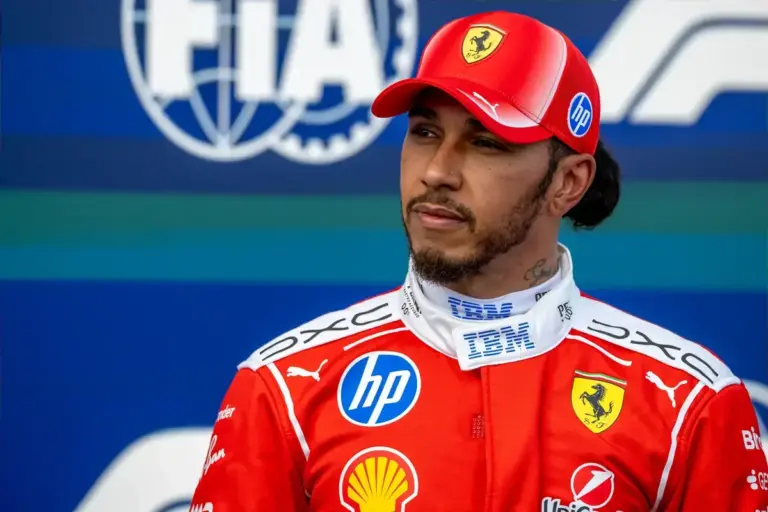
The partnership between Lewis Hamilton and Charles Leclerc has become one of the most interesting of the 2026 season. It brings together Formula 1’s most successful driver and a racer who has spent years carrying the hopes of Ferrari supporters who are desperate to see the team return to championship-winning form.
Hamilton’s move to Ferrari was one of the biggest transfers ever seen in F1. He had already secured a place among the all-time greats of the sport, and then chose to pursue a challenge that many thought would never happen. The chance to win with Ferrari is something extremely special and goes beyond pure statistics.
It’s fair to say that Leclerc’s motivation is just as intense. He has spent years with people seeing him as the future of Ferrari. He’s shown real brilliance behind the wheel, but equally, there have been frustrations. Success with Ferrari would allow him to meet the expectations that have followed him throughout his Formula 1 career.
The attention surrounding the team goes well beyond the paddock. Media coverage, sponsorship interest, merchandise sales, and even discussions around F1 betting outrights tend to increase whenever Ferrari appears capable of ending its title drought. With Hamilton and Leclerc working together, every strong result inevitably generates renewed belief that Ferrari could finally return to the top.
Fernando Alonso Proves Experience Still Matters
Clearly, there’s a great deal of focus on the younger drivers, but Alonso goes on to show just how much value there is in experience. Now in his mid-forties, still competing at the highest level is an achievement in itself. This is especially the case when you consider the intensity of the physical and mental demands.
Alonso stands out and continues, as he is able to adapt. There have been numerous changes to machinery and regulations, but he has remained competitive by continuing to learn and altering his approach. His experience gives advantages that are hard to quantify, such as race management, strategic awareness, and technical understanding.
His continued presence on the grid also offers perspective during a period of rapid change. As new drivers arrive and teams adjust to fresh regulations, Alonso represents a link between different eras of the sport. The fact that he can still compete against drivers young enough to be his children makes his achievements all the more remarkable.
Cadillac’s Veterans Bring Stability
The arrival of Cadillac on the F1 scene signals a new chapter in the sport. However, building a successful team will need more than just investment and ambition. There’s also the need for experience, and that’s why the signings of Valtteri Bottas and Sergio Perez are so vital.
Both of these drivers have years of F1 knowledge. They have race-winning experience and have a real understanding of what makes a successful team. Of course, they will need to deliver on the track, but they will also play an important role in establishing the foundations of a new organisation in a sport that is hugely competitive.
New teams inevitably face challenges, whether in car development, operational efficiency, or adapting to the demands of Formula 1 competition. Experienced drivers can help navigate those difficulties by providing detailed feedback and offering stability when setbacks occur.
A Grid Defined by Contrasting Journeys
The 2026 Formula 1 season is fascinating because it brings together drivers at completely different stages of their careers. Some are beginning journeys that could define the next decade of the sport, while others are pursuing final opportunities to add to already remarkable legacies.
Teenagers such as Antonelli and Lindblad represent the future, arriving with confidence and little fear of challenging established stars. Drivers like Hadjar, Bearman, and Bortoleto are attempting to prove they belong among Formula 1’s elite. Meanwhile, champions such as Hamilton, Verstappen, and Alonso continue to demonstrate why experience remains such a valuable asset.
Image by Ádám Urvölgyi from Pixabay