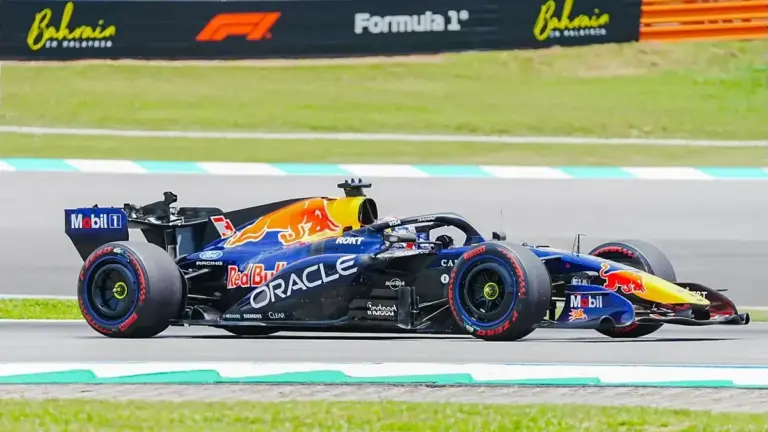
- Formula 1 Commission approves a fourth pre-season test day ahead of the 2027 season.
- Bahrain returns as both the test venue and the season opener next year.
- A potential power unit shake-up makes the extra day more significant than it appears.
F1 teams will get four days of pre-season testing before the 2027 season, up from three, after the F1 Commission approved the change at its meeting in London on June 2.
The meeting took place at the FIA’s London offices. It was chaired by FIA Single-Seater Director Nikolas Tombazis and FOM President and CEO Stefano Domenicali. The decision still requires ratification by the FIA World Motor Sport Council. However, that step is widely expected to be a formality.
The additional day is expected to take place in Bahrain. The circuit is also set to host the opening round of the 2027 season.
From nine days to three, and now back up
The 2026 season gave teams far more preparation time than usual. With new aerodynamic and power unit regulations coming in, teams were given up to nine days of running before the season.
This included a five-day private shakedown at Barcelona’s Circuit de Catalunya in late January. It was followed by two three-day tests at Bahrain International Circuit in mid-February.
The 2027 season had originally been scheduled to return to the standard three-day format. The commission’s vote to extend that to four days signals that the sport’s leadership is carrying some of the lessons from 2026 forward.
Australia hosted the opening race of the previous two seasons, but Bahrain returns to the top of the 2027 calendar because of Ramadan’s timing.
Why one extra day could matter a great deal
The decision comes at a moment when Formula 1’s manufacturers are weighing a significant change to the power unit rules.
The FIA and the teams are currently in discussions about shifting the power balance. The goal is to go from the existing 50-50 split between internal combustion and electrical power to a 60-40 ratio in favour of the combustion engine.
That shift would change how the cars behave in meaningful ways. It would require engineers and drivers to rebuild their working understanding of the machinery from the ground up.
The extra test day would give teams more time to adapt if those changes are confirmed. The London meeting did not resolve the engine question, however. Manufacturer negotiations are still ongoing.
What else was agreed, and what changes with TPC
The commission also agreed to minor tweaks to the aerodynamic and bodywork regulations for 2027. With the 2026 machinery generating more downforce than expected at the start of the season, the adjustments aim to bring that level down for next year.
Less downforce typically costs a car in the corners but gains it on the straights. It’s a trade-off that often produces more varied racing.
The meeting also produced changes to the rules around Testing of a Previous Car (TPC). The FIA previously barred teams from running older cars at any circuit within two months of its appearance on the calendar.
The new rules extend that restriction window. Teams will now have to wait longer before they can run a previous car at a circuit scheduled to host a race the following year. This will limit how much of a circuit-knowledge advantage they can build through that kind of running.
The changes from the June 2 meeting, taken together, reflect a sport managing its move into a new regulatory era through careful, incremental adjustments.