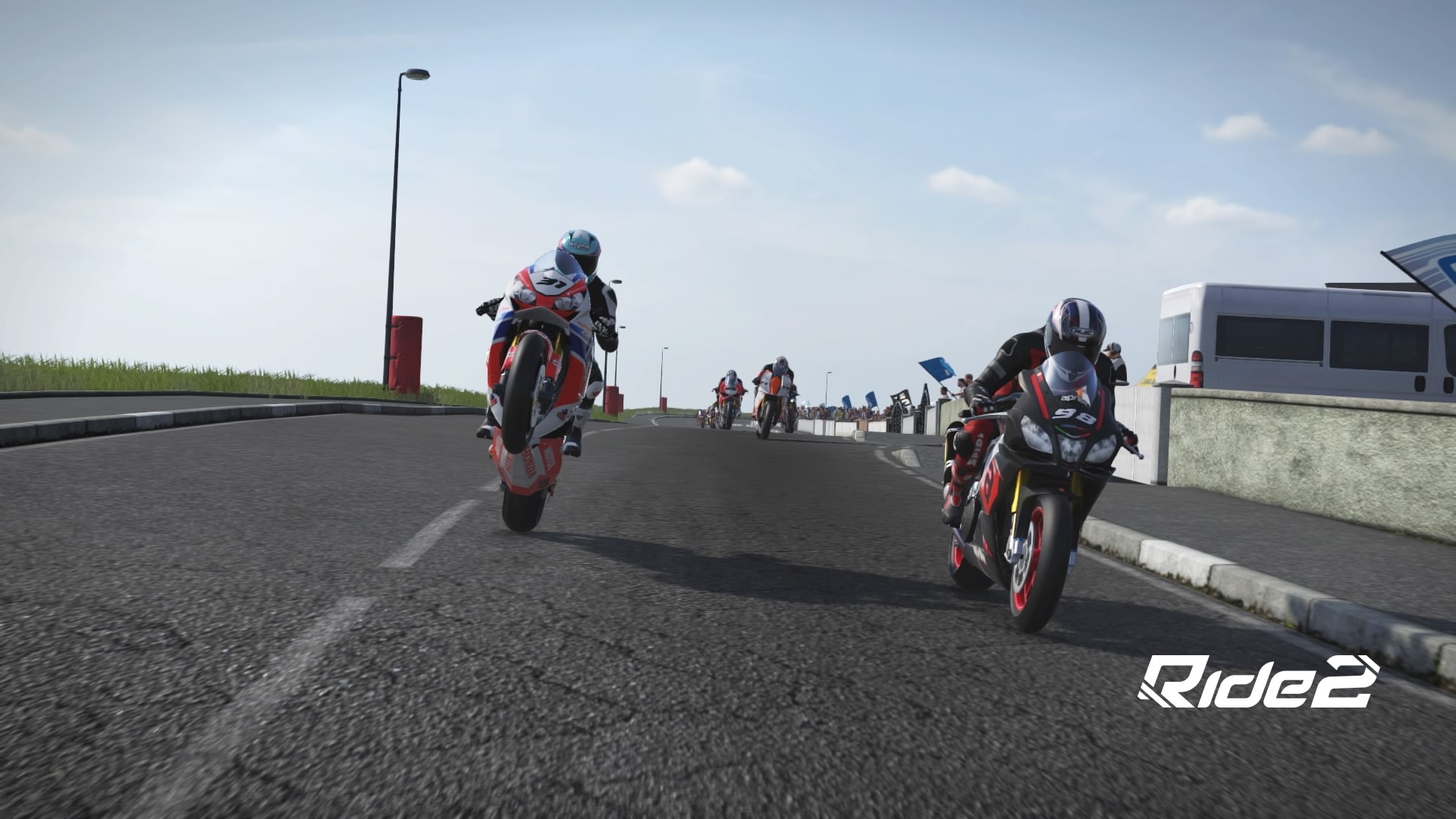

I’m not going to lie, when the first Ride game from Italian developer Milestone dropped in 2015 I was greatly disappointed. The excitement of having a Forza-type game based on bikes quickly faded away when a fairly average, pretty empty racer was the end result.
So you can imagine that, when Milestone announced that they would be releasing a follow-up this year, I was less than enthused. This year’s game boasts over 170 bikes for you to choose from, ranging from cafe racers all the way to thoroughbred superbikes, as well as 30+ circuits to throw them about on and a raft of other big improvements.
The good folks at Milestone were kind enough to send us over a copy to test, and that is exactly what I’ve been doing. So, the question remains: is it any good?
The gameplay itself hasn’t changed much from the first game, or indeed from Milestone’s flagship MotoGP series, but that’s not to say that this is a bad thing. I was very complimentary of Ride’s gameplay when I reviewed it for a different website a couple of years ago. All the classes of bikes and the different models within those all have their own unique characteristics and nuances: the 125cc sport bikes are all about corner speed, whilst the 1000cc Superbikes are an absolute handful to wrestle around.
The seasonal challenge mode, effectively the career, allows you to pick and choose which class of bike you want to specialise in, though you will have to grind away for a while in the smaller classes in order to generate enough in-game credits to buy different bikes. Mercifully, earning credits is a quick and easy process, with all game modes seeing you win earnings that can go towards your motorcycle collection.
Completing each season will see you unlock several invitational events. These are just basic races, nothing different from what you’ve already been doing in your career, but these events can see you win bikes as well as credits. Finish in the top two of a race and you will be able to choose between two bikes as your reward. And they’re not cheap rubbish either; I unlocked a new Yamaha R6 in just my second event.
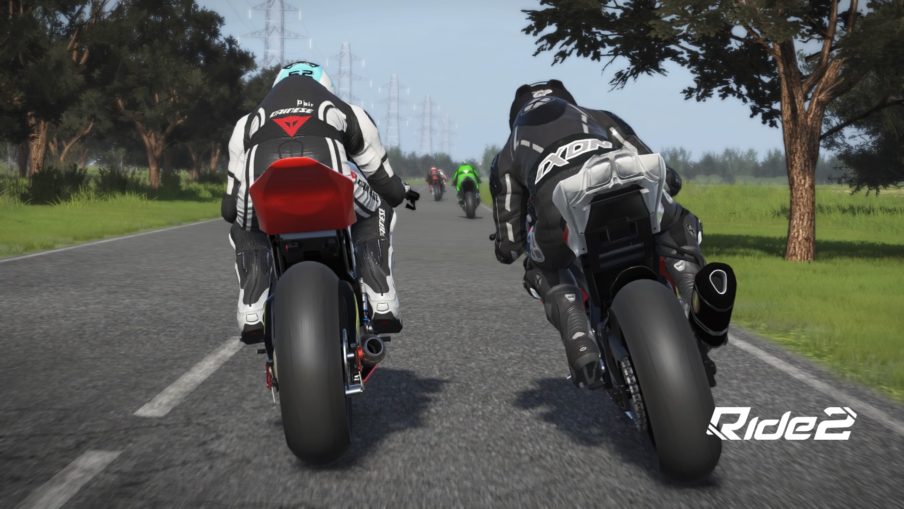
Doing these events is worth your time as it’ll allow you to save money which can be put towards a desired bike or upgrades for your machine. The upgrade system is quite detailed, with everything from engines to gearboxes and even brake lines upgradeable. To progress through the career and earn the big money from events, you will have to speculate to accumulate and drop some cash on upgrades for your bike. This isn’t as annoying as it sounds, though, because you will find yourself growing fond of some of your bikes; I’ve rather fallen in love with my Aprilia 125, despite it being the first bike I owned in the game. You can also spend your hard-earned credits on vanity items for your rider, such as new helmets and leathers. All of these are officially licensed and a number of the skid lid designs are replicas of real riders’.
The array of bikes to choose from is plentiful, even if most are just carry-over from the last game. As mentioned at the top of the article, there are 170-odd machines to choose from, ranging from naked bikes, tourers, sports bikes and proper racing machines, all of which upgradeable and with multiple livery options too. All of the bikes also have their own information screens, so you can learn about each one whilst waiting for a race to load.
As for the tracks you’ll be racing on, again, it’s a decent selection but not massively different from the first game. There is a good mix of real world and fictional circuits to choose from, places like the Nurburgring, Imola and Monza all making an appearance alongside made-for-game road tracks in America and Japan. Without doubt, the highlight of this year’s track listings is the inclusion of the North West 200, Ulster Grand Prix and Macau Grand Prix circuits. As a massive road racing fan, I was hugely disappointed that all of the road circuits in the first Ride were all fictional, so it’s great to see Milestone rectify this, even if the tracks aren’t quite true to their real life counterparts. Weirdly, there aren’t any tracks from the MotoGP World Championship featured, which I would have preferred over some of the fictional locations.
Great bikes and tracks are all well and good, but what’s the actual racing aspect of the game like? It’s pretty damn good, actually. It’s recommended you bump the AI up to the realistic setting for the best experience. The AI will battle hard with you, firing it up the inside into corners and looking for the cutback when you put a move on them. This was something that really stood out in the latest MotoGP game, so it’s nice to see Milestone implementing that into their other titles.
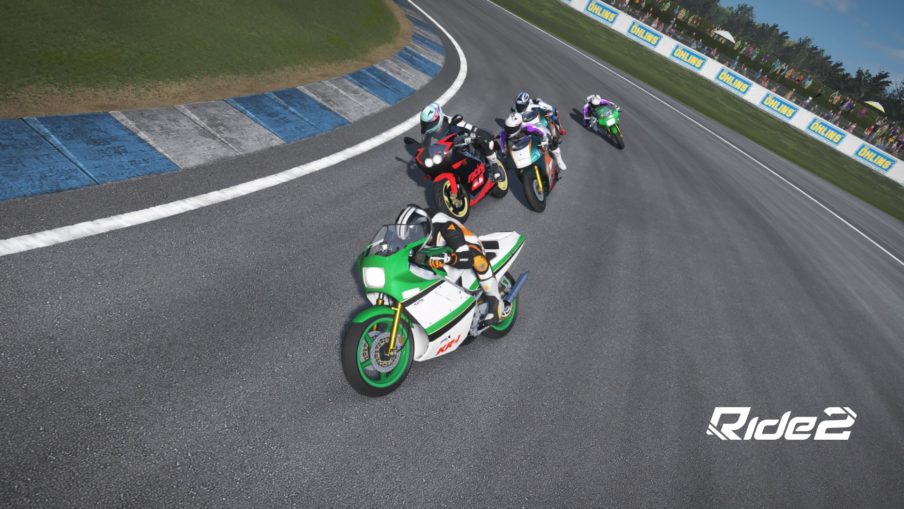
If racing the computer isn’t your thing, then there is an online multiplayer portion to the game, though it’s not really worth your time. It’s a pretty standard affair: pick your bike, pick your track, select your race length and off you go. That is, if you can actually find a race. Unless you set up a lobby with a bunch of mates, you’ll likely be spending your time waiting endlessly for the random lobby host to start the race, by which time most people have left out of frustration. If you do manage to get into a race, it tends to be a lag-hampered mess.
Unfortunately, as with all Milestone games, Ride 2 doesn’t look or sound like it belongs on the current generation of consoles. Though rider and bike models look rather excellent, the rest of the game looks like a low-end PS3 game if I’m being brutally honest. And the sound design is some of the worst I’ve ever heard. The bike noises sound as if they were plucked from an arcade game; they just lack any realism. In 2016, with ultra HD and 4K all things becoming more and more common in gaming, I just can’t justify spending over £40 on something that would look average even 10 years ago.
So, the verdict. Ride 2 is a very good game. The roster of bikes and tracks, and the fun racing will keep you entertained for quite some time. But there’s nothing all that revolutionary about this game that will draw you back once you’ve grown tired of it, nor much actual new content that couldn’t have been implemented via a DLC pack for the first game. The graphics and sound design really let the game down, and that’s frankly inexcusable in 2016. So, I would recommend Ride 2, but only when it begins to come down in price.



Comments.
Loading comments…