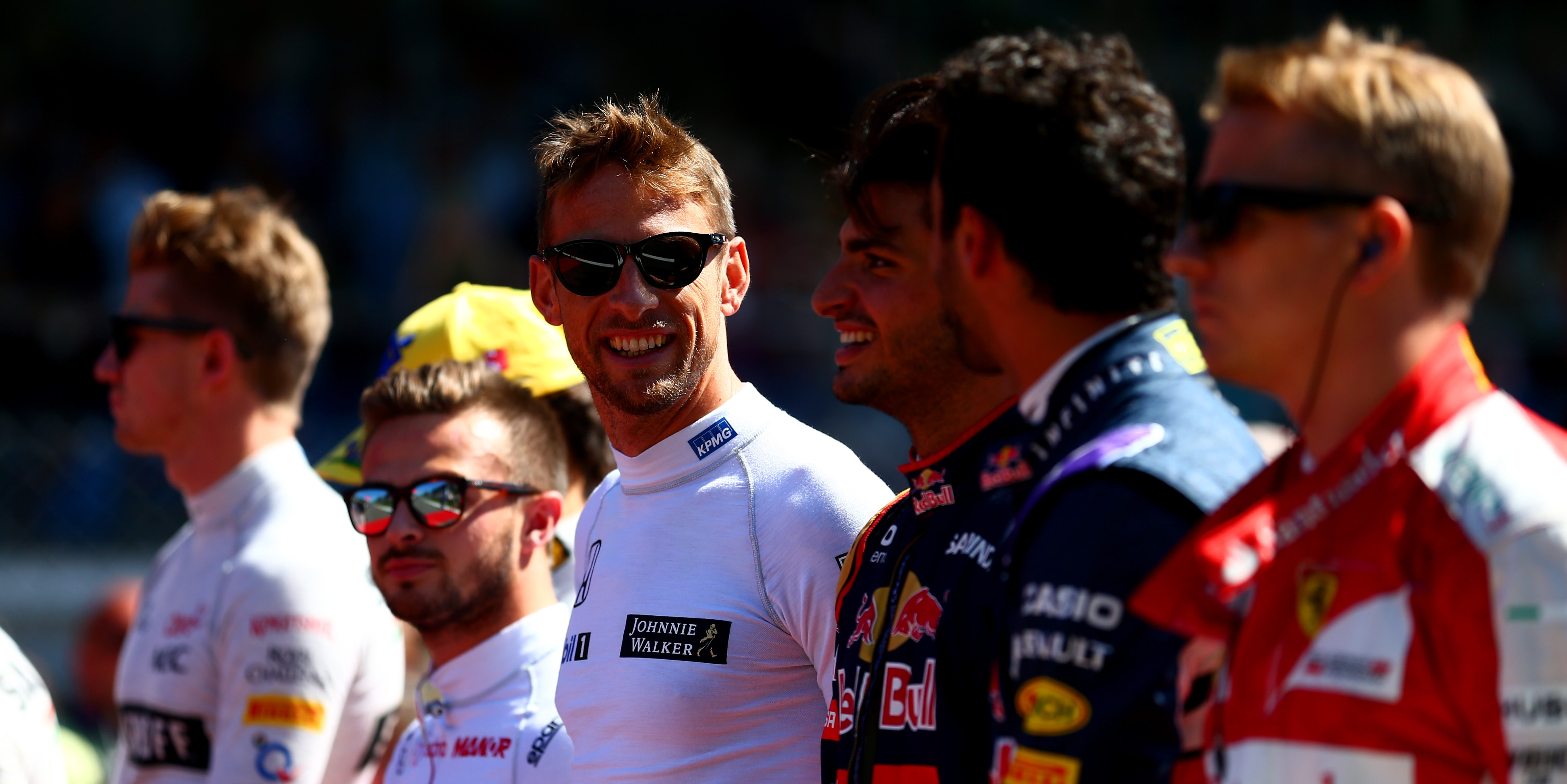

Jenson Button believes the public letter issued by the Grand Prix Drivers Association (GPDA) earlier this year has led to a more responsive FIA.
Back in March, Button, who is the longest serving F1 driver on the grid, co-signed a statement along with group Chairman Alex Wurz and Sebastian Vettel slamming how the sport was run.
It came after fans and drivers alike felt their voice was not being heard in the important matters being discussed by the Strategy Group, a body made up of stakeholders who decide the F1 rules.
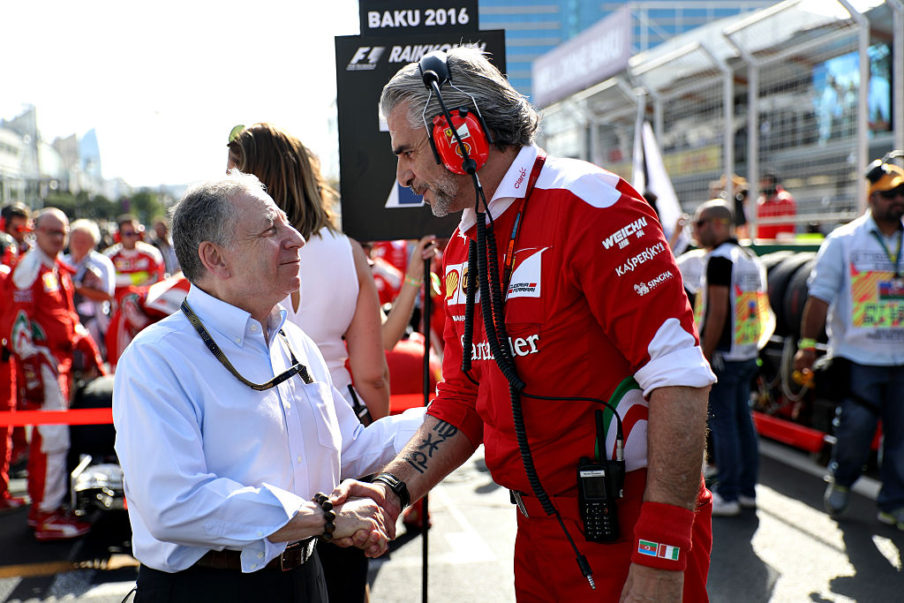
Those matters included the lack of direction with the 2017 regulations, which have since been finalised and also came in the wake of a late decision to change the qualifying format for 2016, a format that was a massive flop but still took several races to literally eliminate.
“We feel that we do have a say anyway and since our comments earlier in the year, the FIA have been more open to our opinions, but they would prefer it is behind closed doors rather than in the press,” Button told ESPN.
“I think that we have a reasonable say but you always want more because you always think we have more to give, rather than take, and that’s definitely what we’re here to do — make the sport a better place.”
As the season has progressed other major decisions and rules have been made or altered.
The most important saw the postponement of the introduction of cockpit protection until 2018.
The ‘halo’ device was deemed not ready for next year and further testing will take place with all drivers expected to trial it at either Spa or Monza.
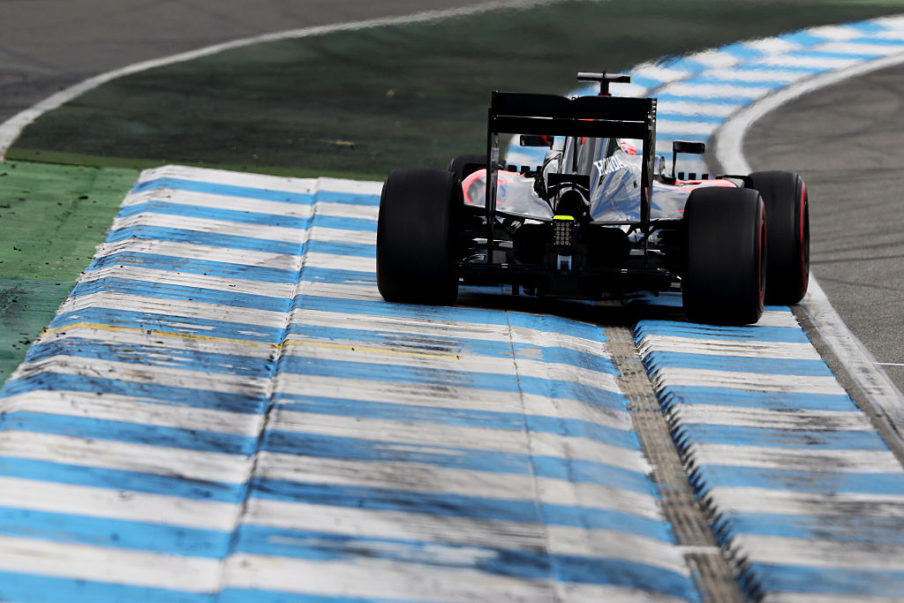
The debate on track limits is one that occurs at every race weekend. In Austria, a third area of kerbing was added to try and detract drivers from going wide at several corners while at Hungary and Hockenheim sensors were installed on the kerbs.
Even that didn’t clear it up, however, as those limits were opened up further in Germany with drivers able to use all of the outside kerbs at Turn 1.
It will be interesting to see if that theme remains when drivers look to cut the top of Eau Rouge at Spa and run wide out of Ascari and the Parabolica at Monza.
Finally, the minefield of what could and could not be told to a driver over the radio while out on track. While a reasonable idea in principle, incidents in Baku, Britain and Hungary forced the FIA to backtrack once again.
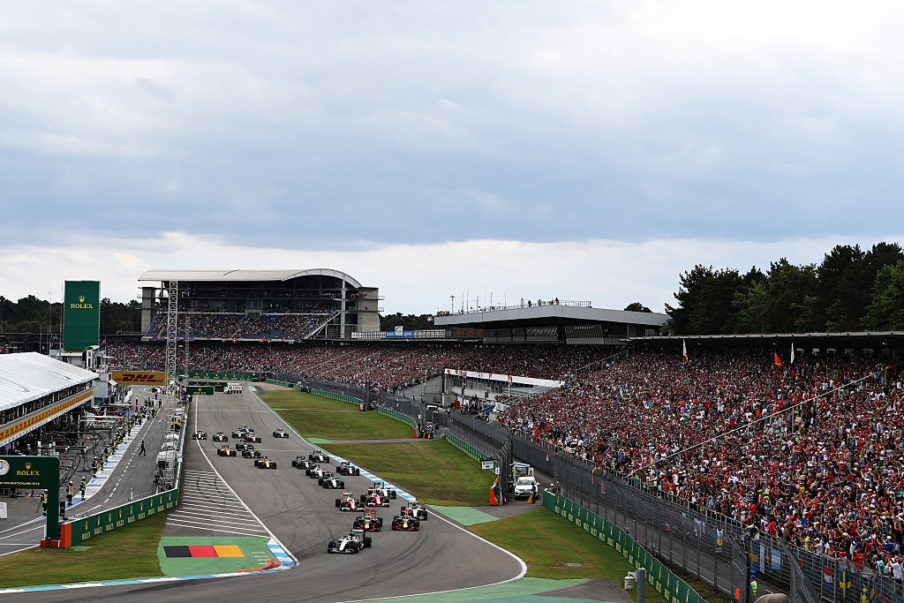
While some have since criticised the governing body for a lack of leadership, indeed Fernando Alonso admitted he had ‘lost patience’ with the constant rule changes, Button says that flexibility will help F1 in the long-term.
“I think it showed to the world that there are issues in F1 and the drivers know they are issues and are willing to help,” he said. “Of course, we got replies from certain individuals and I think our comments were valid and I think they understand that.
“The important thing is that we’re all willing to what we can to improve the sport because the sport’s not in a bad place but it’s not as good as it should be and not as good as it will be. Things like this, little regulations with yellow flags, the radio, that we need to come up with a solution that works for us all.”

Comments.
Loading comments…