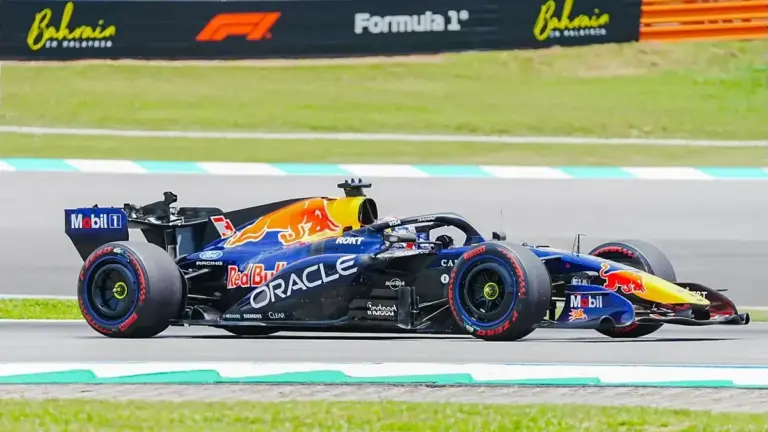
The most incendiary response to Sunday’s Dutch Grand Prix did not come from a driver, a team principal or a rival. It came from a sponsor. Within hours of the flag at Zandvoort, Mercado Libre — the Argentine e-commerce giant whose branding travels on Franco Colapinto’s Alpine — used social media to publicly question the integrity of Formula 1’s race stewards. On Tuesday the governing body answered. The FIA has condemned the online harassment aimed at the officials who issued the Colapinto Dutch GP penalty and, according to Motorsport.com, is exploring its legal options.
Why it matters: the argument has moved a long way past a drive-through. Stripped of the noise, this was the application of the least ambiguous line in the sporting code — you do not overtake under waved yellow flags — to a driver with one of the largest and most mobilised fanbases on the grid. What the FIA does next will set the tone for how it protects its officials through the rest of a combustible season.
What actually happened on lap one at Zandvoort
Colapinto and Racing Bulls rookie Arvid Lindblad were both given drive-through penalties for overtaking in a double-waved yellow sector on the opening lap. The yellows were triggered by Max Verstappen’s heavy crash at the end of lap one, which neutralised the final marshalling sector before the start-finish line and ended the home favourite’s race — a race Lando Norris went on to win. The first half of lap two ran green before race control threw the red flag.
Colapinto completed a pass on Yuki Tsunoda at the exit of Zandvoort’s final corner; Lindblad drafted past Pierre Gasly before the line. Both drivers had been forced to take evasive action for debris moments earlier.
Why the Colapinto Dutch GP penalty was clear-cut
The stewards’ verdict acknowledged the chaos. “Car 43 was behind Car 22 entering Turn 14 and overtook Car 22 in the double yellow flag sector before the line at the end of Lap 1,” the panel wrote. “Normally, such infringement requires a 10-second stop/go penalty, but the Stewards acknowledge the complications caused by the significant amount of debris on track at this point and take this into account as mitigating circumstances.”
Lindblad’s document was worded identically. In other words, the panel had already applied the leniency available to it, handing down a drive-through rather than the harsher stop/go the rulebook prescribes. Colapinto still called the sanction “extremely harsh”, on the basis that he completed the move a split second after the flags appeared.
The FIA draws a line on abuse
That is a reasonable driver’s grievance. What followed was not. Mercado Libre’s intervention went considerably further than disputing a judgement call, questioning the stewards’ integrity outright, and both the FIA and Alpine have since absorbed a torrent of online vitriol.
The governing body’s response reflects a structural problem. F1’s stewards are named individuals who publish signed documents, with nothing standing between them and several hundred million fans. Penalties will always be argued over; that is part of the sport. A commercial partner amplifying claims of bad faith to millions of followers is a different category of thing entirely.
Zandvoort’s final Formula 1 weekend was always going to be remembered for Verstappen’s crash and Norris’s victory. It should not be remembered for this. The rule Colapinto broke exists because marshals stand at the side of the track, and every panel that enforces it under pressure makes the job easier for the next one. The FIA has stated its position. Whether it follows through in a courtroom — or whether the noise simply migrates to the next contested penalty at Monza — is the open question.