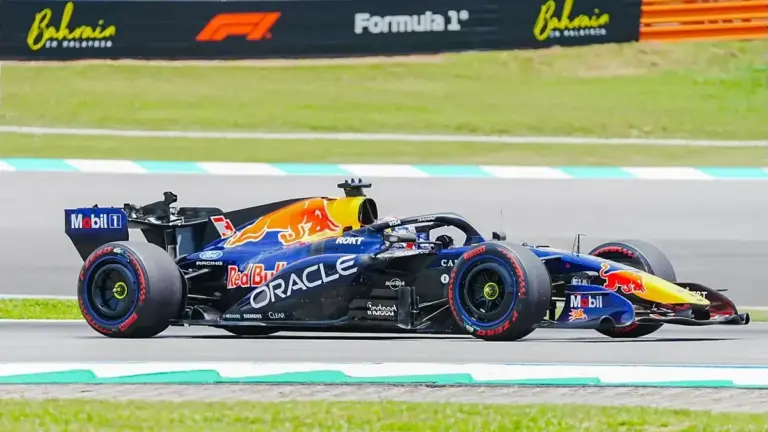
Circuit Zandvoort returned to Formula 1 in 2021 after a 35-year absence, and it did not return quietly. A narrow ribbon of Tarmac threaded through the North Sea dunes, banked at Hugenholtz and Arie Luyendyk, wrapped in orange smoke and a home crowd that treated Friday practice like a cup final. Five years on, it is being taken away again. The race that begins at Zandvoort today, running from 21 to 23 August, is the last Dutch Grand Prix on Formula 1’s calendar.
What makes the farewell so peculiar is that nobody involved appears to have wanted it. The Dutch Grand Prix sells out. Formula 1 itself, by Autosport’s account of the negotiations, would rather have kept the race. And yet it is going anyway — which says rather more about the economics of the modern calendar than it does about the circuit.
Why the last Dutch Grand Prix could not be saved
Zandvoort’s charm and Zandvoort’s problem are the same thing. The track sits inside a protected coastal dune landscape, hemmed in on every side, reached by a single-track railway line and a handful of country roads. There is no room to widen the run-off, no room to build the sort of hospitality estate that a modern race promoter uses to pay the bill, and a limit on how many people can be safely moved in and out each day. The circuit has squeezed a remarkable amount out of a small site; it has also run out of site to squeeze.
That is the constraint David Coulthard pointed to this week when he predicted that Formula 1 will never come back to the Netherlands at all. The 13-time Grand Prix winner, now a broadcaster, cited both the physical and the commercial ceilings on the venue — a blunt assessment from someone who has watched the whole revival from the paddock.
Verstappen’s home farewell
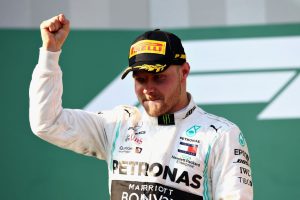
The emotional weight of the weekend belongs to one driver. Max Verstappen is the reason the Dutch Grand Prix exists in its current form, and this is his final home race on the schedule. He arrives having just committed his future to Red Bull, signing an extension that runs to 2030 and closing down a summer of speculation in the process.
He does not arrive with a quick car. Red Bull spent the shutdown hunting for performance it has not found, and the team’s line-up has been reshuffled by injury: Isack Hadjar is out with a wrist problem picked up in the gym, so Liam Lawson has been promoted from Racing Bulls for the weekend. A home farewell in a difficult car, alongside a stand-in team-mate, is not the send-off the grandstands were hoping for.
A title fight lands in the dunes
The sporting context is unusually good for a goodbye. Kimi Antonelli leads the drivers’ championship for Mercedes, Lando Norris took his first win of the season in Hungary immediately before the break, and Mercedes, Ferrari and McLaren have spent the year trading momentum rather than settling anything. Zandvoort throws that fight straight at a circuit that punishes hesitation.
It is also a sprint weekend, which means one hour of free practice before sprint qualifying sets Saturday’s grid. On a track this narrow, with this little margin, that is close to a coin toss for anyone who misjudges the first run.
Zandvoort waited 35 years for its first comeback. On Coulthard’s reading, there will not be a second. If he is right, the dunes get one more Sunday of orange smoke and then Formula 1 packs up for good — leaving behind the odd distinction of a race that died with every ticket sold.