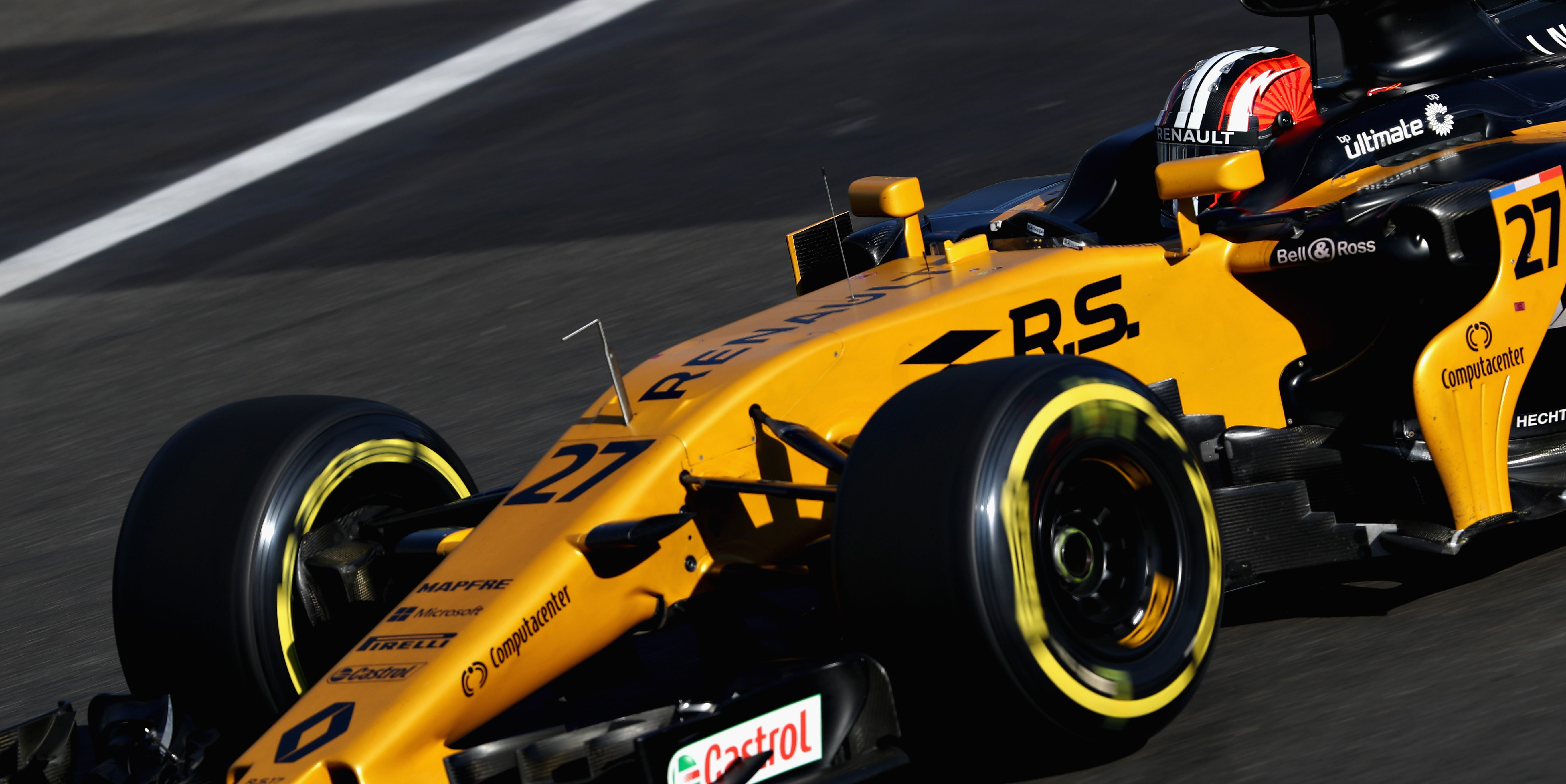

Renault is hoping to level Mercedes’ engine by the 2018 Formula 1 season, after gradually reducing the deficit over the last few years created by the dawn of the new hybrid engines in 2014.
Mercedes has consistently produced the most reliable and efficient engine since 2014, while Renault has been playing catch-up since the new rules were introduced.
Following Renault’s decision to return to the sport as a fully-fledged manufacturer in 2016, greater resources have been placed on improving the engine to the standard of the Mercedes.
Renault F1 engine chief Remi Taffin admitted to Autosport that the French manufacturer made a mistake in 2014 with the direction of their engine.
“It has been clear the target we have set within Renault, that 2018 was the year that we needed to be at the level of the benchmark, which is still Mercedes,” Taffin said.
“We have done some part of the job this year and we will have to achieve the rest through the winter.
“We have got engines on the dyno and we can clearly see that there is some progress, and we know there can be 0.3-0.5s [deficit right now] depending on the track.
“So if Mercedes is still getting one or two tenths over next winter, we have got what we need to close the gap.
“Whether we will be in front by the end of next year we will see, but it is feasible. We’ve got what we need to do now.
“We are making more progress than them, but we had to rethink what we produced for 2014.
“You know how complex these engines are, and obviously we sort of made a mistake in the first year and had to rebuild.”
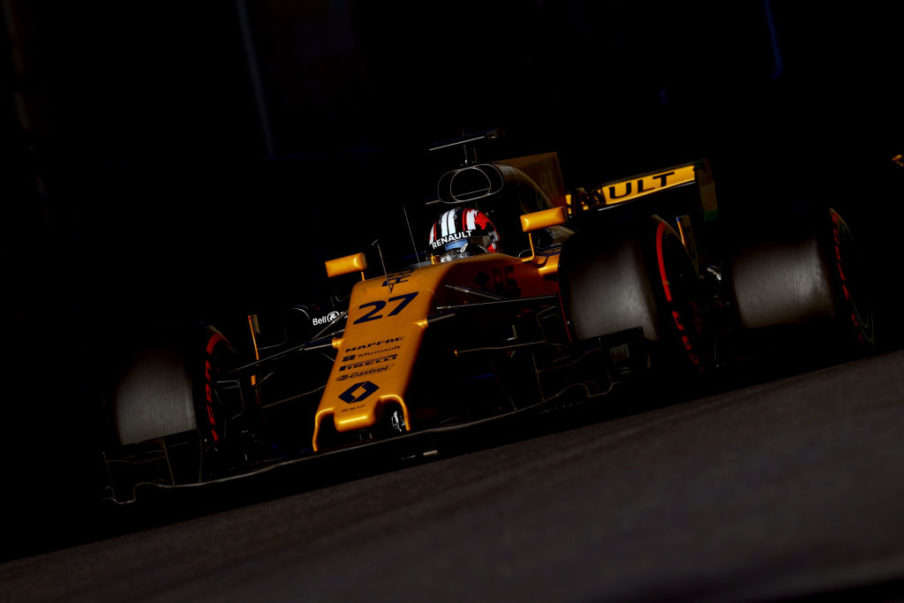
Taffin also ruled out copying Mercedes’ unique split turbo-compressor idea, which they have used since 2014.
“Our engine is as it is. We decided to keep it [the turbo] at the rear for some good reasons,” added Taffin.
“There is also no good reason to change it, as we don’t see a lap time benefit from a car perspective.
“So, from where we put the elements and how we assemble them, they are where we like them to be.
“But it is also fair to say that the real emphasis is on the ICE [internal combustion engines] plus the turbo.
“That is what you do work on and that is what I guess Mercedes is doing.
“They are not spending that much time on the ERS system – they keep developing the ICE.”


Comments.
Loading comments…