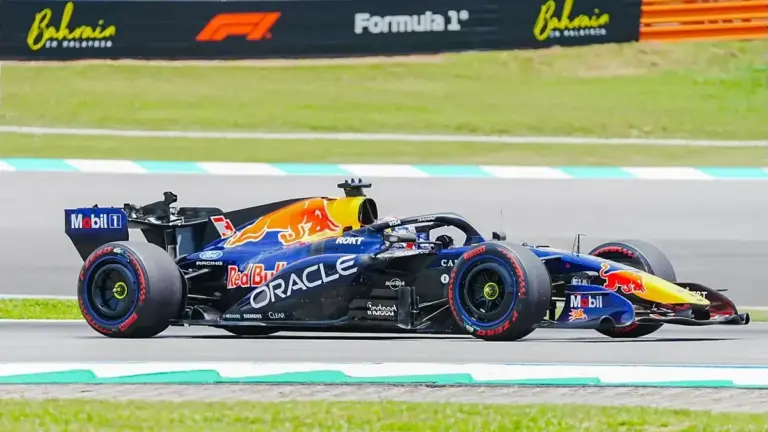
Formula One’s sole tyre supplier Pirelli admits despite several thousand miles of testing the wider profile 2017 tyres, there are still question marks looming over how the tyres may perform ahead of the new season.
Throughout 2016 Mercedes, Ferrari and Red Bull helped test the new rubber using year-old modified ‘mule’ cars in an attempt to try and simulate near the levels of downforce expected in 2017.
However, it appears that the ‘mule’ car idea has not worked as well as intended leaving the Italian supplier having question marks over their new rubber.
Pirelli’s F1 Racing Manager Mario Isola told Motorsport.com: “They [the mules cars] lacked a bit of performance. Although the modified cars aimed to simulate the downforce levels we will find, we have not seen the true performance that we will have in 2017.
“We have seen from the simulations that we have been sent by teams, based on patterns with the new cars, that the performance will be better than those we saw from the mule cars.”

Isola was insistent that the issues did not surround the safety aspects of the tyres, but merely their degradation and thermal characteristic behaviour.
“It is not an integrity problem because our indoor tests are calibrated to the values that have been given to us by the team simulations,” Isola added.
“But these simulations are one thing. There will be a completely different performance window in which the teams will arrive in the second half of the season – where we often are on track with high temperatures.
“Will degradation and overheating be the same as with the simulations? It’s a check that we can only do on track.”
Another aspect to the new tyres is the request from drivers in being able to push harder without the overheating and degradation issues which have frustrated the drivers for a few years now.
Following another F1 car closely means they are travelling in turbulent air, because of this, the tyres overheat and degrade far quicker, Isola has said they have taken the driver’s requests onboard and the early analysis shows that these issues have been addressed.
“They are completely new compounds,” he said. “We have encountered a very low degradation, and on the few occasions there was overheating, it quickly returned to the optimum value.
“The drivers made specific requests to us about this – because if they were following another car in the race then they would lose downforce, slide more and then overheat their tyre.
“Our goal is for the tyre to return to a normal condition in a very short time, which will help improve grip. In testing we have seen that this target has been reached – but it needs to be verified on the actual cars, so we will wait for the first few races.”