
Updated: June 18, 2026
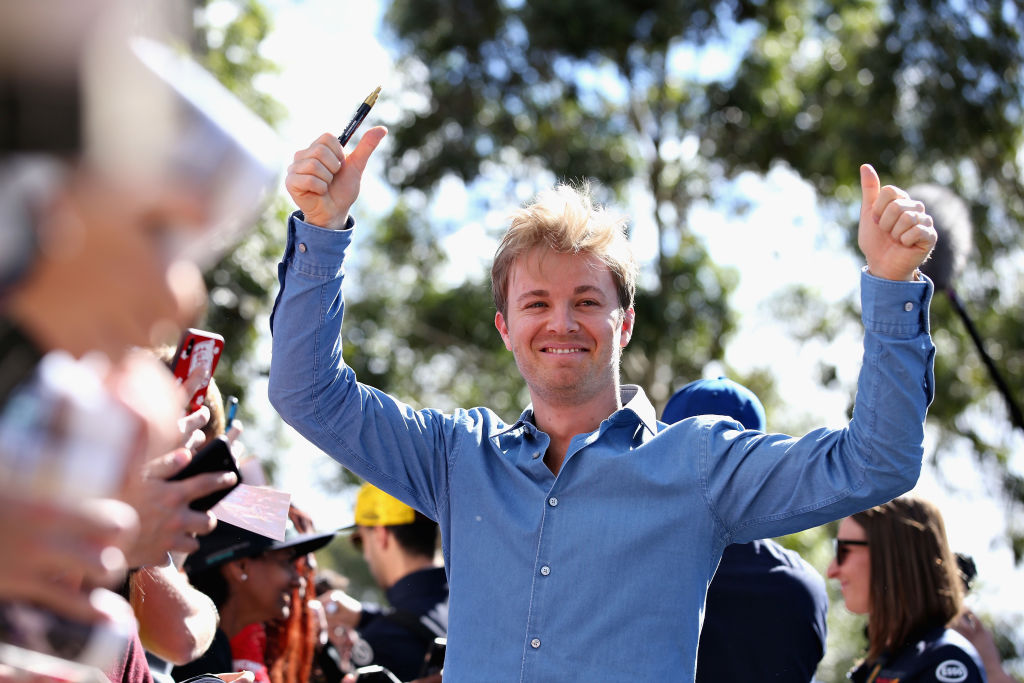
Nico Rosberg’s 2016 world championship has only grown in stature with time.
When Read Motorsport first looked back on Rosberg’s title campaign, the story was still fresh: a Mercedes civil war, a five-point championship margin, and a driver who had finally found a way past Lewis Hamilton after years of living in the same garage. A decade on, the shape of that achievement is even clearer.
Rosberg did not merely beat Hamilton in a quick car. He beat him across a season that demanded mental control, relentless consistency and a willingness to live with pressure that few drivers ever experience from the inside. Formula 1’s own Hall of Fame profile still frames the title as the childhood dream that took a heavy toll. That final twist, winning the title and then walking away five days later, remains one of modern F1’s most striking exits.
How Rosberg seized his chance
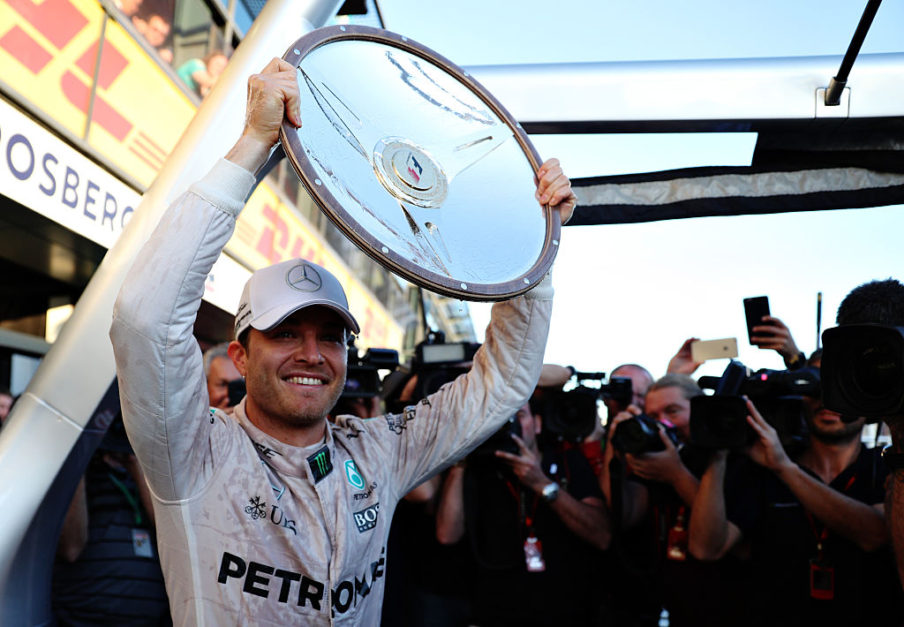
At the start of 2016, there was a legitimate question over how much of a challenge Rosberg could put up to Hamilton. The Briton had stormed to his third world title in 2015, but Rosberg had finished that season with three straight wins and arrived with momentum rather than just hope.
Some argued those late-2015 victories owed more to Hamilton’s level dropping after the championship was settled. Melbourne initially seemed to support that theory when Hamilton claimed pole and Rosberg was left fending off Ferrari. The race, though, changed the tone of the season.
Hamilton’s poor start and Ferrari’s strategy error after the red flag opened the door. Rosberg went through it with the efficiency that would define his year. Australia was not just a win; it was a first signal that he could make a championship out of Hamilton’s imperfect weekends.
That was the pattern. Hamilton was often the faster, more explosive Mercedes driver, but Rosberg built his title on keeping weekends alive. He stayed out of trouble when Hamilton was hit by poor starts, first-corner scrapes or reliability setbacks. The Briton still reached the podium almost everywhere the car allowed him to, but Rosberg’s ability to convert fragile moments into points became decisive.
The thinking driver’s championship
Rosberg’s title was not a season of faultless domination. It was a season of adaptation. Baku was the cleanest example: he understood the demands of the new venue, managed his race and won with authority. Silverstone showed another side, when a radio instruction linked to a gearbox issue eventually drew a penalty but also underlined how alive Mercedes had to stay to the smallest operational detail.
The weaknesses were visible too. Monaco was poor. Austria was costly. Hockenheim, after his move on Max Verstappen, fed the argument that Rosberg could look less convincing when the fight turned into pure wheel-to-wheel instinct.
That criticism mattered because it followed him through the Hamilton rivalry. Rosberg was rarely presented as the more naturally gifted racer. He was the driver who prepared, calculated, reset and tried again. In a title fight as emotionally sharp as 2016, that became a strength rather than a limitation.
Read Motorsport argued before the title was settled that Rosberg would be a deserving champion, and the final run-in proved why. After Malaysia, when Hamilton’s engine failure changed the championship picture, Rosberg still had to close it. Four consecutive second places looked conservative on paper, but Brazil and Abu Dhabi were anything but comfortable.
Abu Dhabi still defines the season
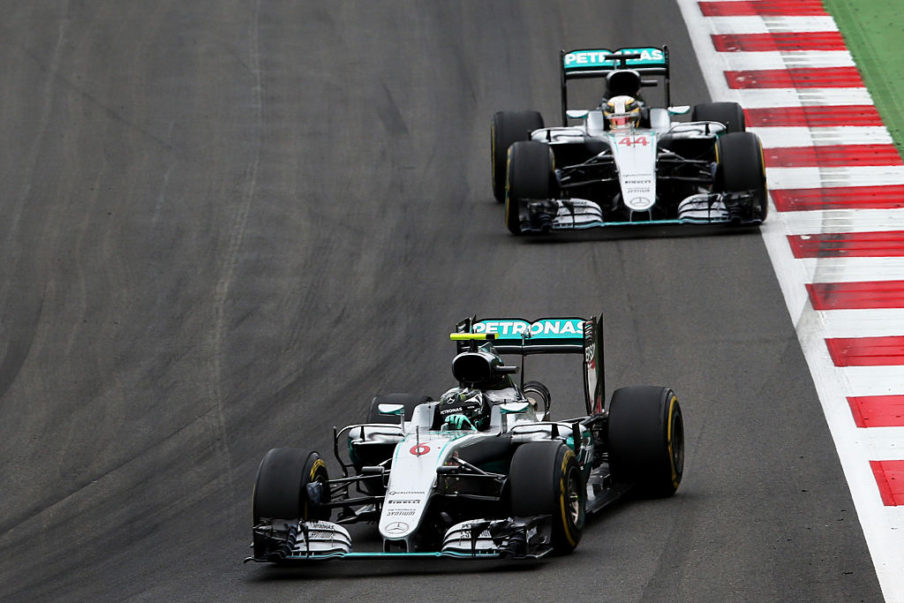
Abu Dhabi remains the race that gives the campaign its edge. Hamilton did what he had to do by winning and controlling the pace, trying to back Rosberg into the pack. Sebastian Vettel and Verstappen made the final laps tense enough for Mercedes to feel the championship slipping into a live calculation rather than a procession.
Rosberg finished second. That was enough. He had met the pressure at its worst point and survived it, winning the title by five points after 21 races.
The decision that followed made the story bigger. Rosberg announced his retirement less than a week later, leaving Mercedes suddenly searching for Hamilton’s next team-mate and turning the champion’s exit into the defining off-season shock. Read Motorsport covered that moment when Rosberg retired from F1 with immediate effect, and the suddenness remains central to how his championship is remembered.
It was not the exit of a driver looking for an easier contract or a quieter garage. It was the exit of a champion who had reached the summit, understood the cost, and decided the price of defending it was too high.
Why it feels different in 2026
The recent context gives Rosberg’s title a new layer. Hamilton’s move to Ferrari, his difficult first season in red and his breakthrough Barcelona victory in 2026 have reopened the old Rosberg-Hamilton comparison from a different angle. Rosberg was in the paddock when Hamilton finally won for Ferrari, telling F1.com it was a historic moment and that his old rival had “climbed to greatness again”.
That line matters because it comes from the only Mercedes team-mate who beat Hamilton to a world title over a full season. Rosberg knows better than most what it takes to push Hamilton into uncomfortable territory. He also knows how rare it is for Hamilton to reset, absorb pressure and return with a statement drive.
Read Motorsport’s recent coverage of Toto Wolff’s reflection on the 2016 tension, including how he nearly fired Hamilton and Rosberg during the worst of the Mercedes rivalry, underlines how combustible that season became. It was not just two elite drivers in the best car. It was a title fight that stretched the team, the relationship and the drivers themselves.
Rosberg’s achievement sits more securely now because so much has happened since. Hamilton became a seven-time champion. Verstappen built his own era. Mercedes moved on. Ferrari pulled Hamilton into its orbit. Yet 2016 still stands apart: one driver committing everything to one campaign, beating one of the greatest drivers the sport has known, and then refusing to let the championship become merely the opening act of another chapter.

Rosberg finally conquered Hamilton in 2016, but the more lasting point is that he conquered the version of himself that had fallen short before. He turned preparation, resilience and cold championship discipline into a title-winning weapon.
That is why, ten years on, his one world championship still carries more weight than the number suggests.


Comments.
Loading comments…